
PE-stamped structural modification design for Colorado homeowners, builders and architects.
- Existing home
- New opening and beam
From load-bearing wall to open space
- 01Identify load-bearing walls and loads
- 02Design the beam and posts
- 03Stamped drawings and calculations
- 04Permit, shoring and the opened-up space
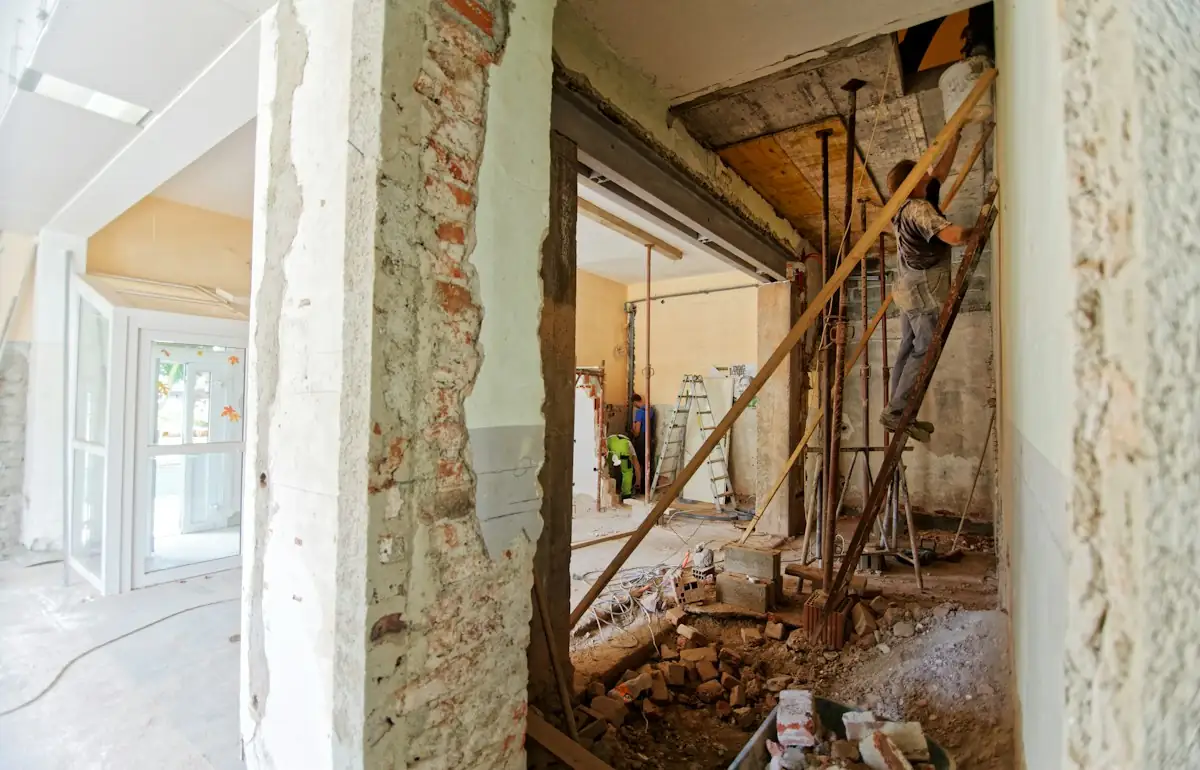
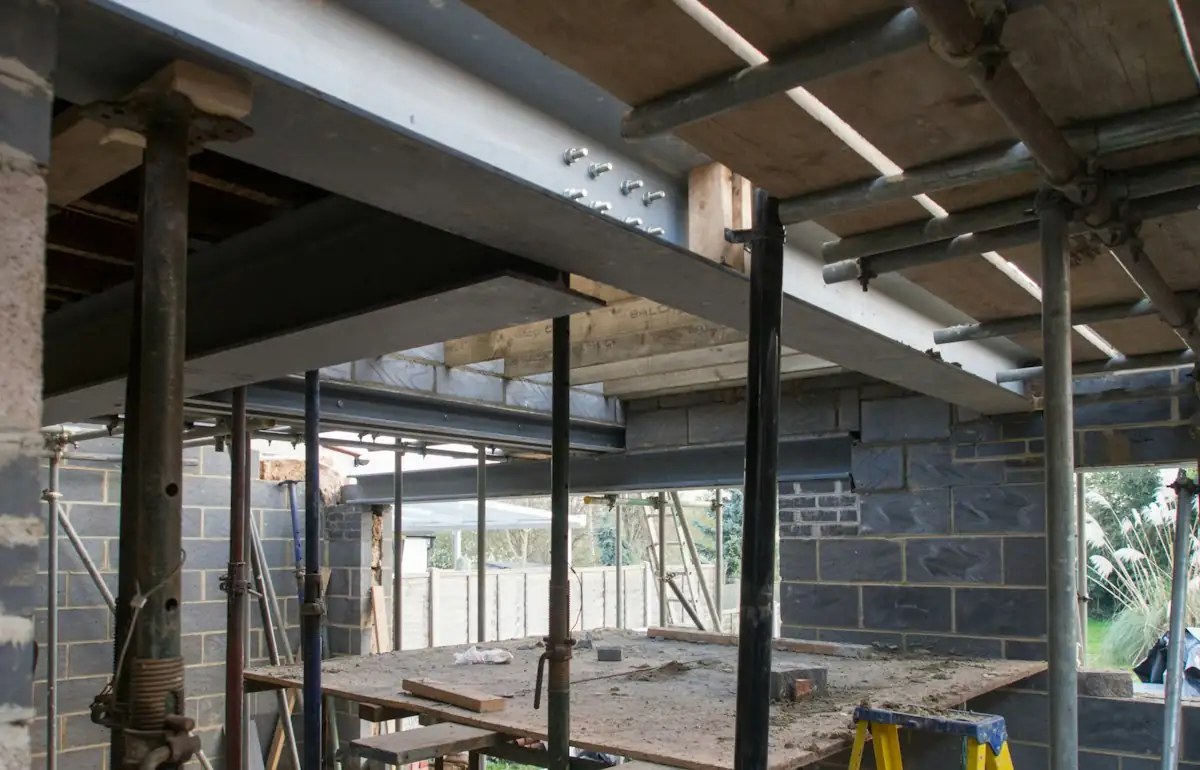

Illustrative stock photography, not ISTA project photos. Photos: Milivoj Kuhar, Brett Jordan, Zac Gudakov on Unsplash.
Structural Modification Design
Structural modification design is the engineering process of altering an existing building’s framework such as removing walls, adding floors, or expanding openings while maintaining or enhancing its stability. It involves recalculating load paths, specifying new support members like an LVL beam or Steel I-beam, and ensuring the building meets current codes.
For homeowners, this is the blueprint for an “open concept” living space. For Structural Engineers, it is a complex puzzle of redistributing gravity and lateral forces. For Real Estate Agents, verifying these designs is the difference between a high-value sale and a liability lawsuit.
Typical project delivery: 2–4 weeks after design approval.
Key Benefits
Transform basements into premium living spaces with natural light, functional layouts, and increased property value.
Natural Light
Functional Space
Property Value
Structural Modification Design
Structural modification design is the engineering process of altering an existing building’s framework such as removing walls, adding floors, or expanding openings while maintaining or enhancing its stability. It involves recalculating load paths, specifying new support members like an LVL beam or Steel I-beam, and ensuring the building meets current codes.
For homeowners, this is the blueprint for an “open concept” living space. For Structural Engineers, it is a complex puzzle of redistributing gravity and lateral forces. For Real Estate Agents, verifying these designs is the difference between a high-value sale and a liability lawsuit.
Summary
Structural modification design is not just about demolition; it is the precise re-engineering of how a building handles weight. It requires professional calculation of static and dynamic loads to prevent catastrophic failure and ensure legal compliance.
What Are the Core Principles of Re-Engineering an Existing Structure?
When altering an existing building, the original equilibrium is disrupted. The primary goal of structural modification design is to establish a new equilibrium that is as safe, if not safer, than the original.
How Do Load Paths Change When Walls Are Removed?
The load path is the direction in which forces (weight of the roof, snow, furniture, people) travel through the building to the foundation.
In a standard design, loads travel vertically:
Lateral Support: The rear wall (buried against the hill) acts as a massive retaining wall. It must be reinforced with rebar and high-strength concrete to resist the hydrostatic pressure of the soil pushing against it. .
- Roof Rafters → Top Plate → Load-Bearing Wall → Floor Joists → Foundation.
When a load-bearing wall is removed, that vertical path is severed. The design must create a detour:
- Roof Rafters → Transfer Beam → Columns/Posts → Point Loads on Foundation.
This change creates specific engineering challenges:
- Point Loading: The weight previously spread across 15 feet of wall is now concentrated on two specific spots (the columns).
- Foundation Stress: The existing foundation footing may not be thick enough to handle this new concentrated weight, requiring underpinning or new footings.
- Deflection: The new beam must be designed not just to hold the weight, but to resist bending (deflection) so that ceilings don’t crack and doors don’t stick.
Why Is Seismic Retrofitting Crucial During Structural Design?
Many older homes were built before modern seismic codes. When you modify the structure, you are often legally required to bring the affected areas up to current safety standards.
Removing interior walls can reduce the building’s resistance to lateral loads (forces from wind or earthquakes). Interior walls often act as bracing. If a structural design removes these bracing elements, the engineer must introduce a Moment Frame (a rigid steel frame) or a new Shear Wall to prevent the house from racking or collapsing sideways during a seismic event
Note for Engineers: Ignoring lateral stability in favor of gravity support is the most common design error in residential renovations
What Is the Step-by-Step Workflow for Designing a Structural Modification?
A successful modification follows a strict chronological workflow to ensure safety and constructability..
How Do Engineers Calculate Beam and Column Sizing?
The calculation phase is the heart of the design. It is not a guess; it is a mathematical certainty derived from the Tribulary Area.
Span Calculation: The distance between the supports determines the depth of the beam.
Material Selection:
- LVL (Laminated Veneer Lumber): Good for shorter spans, easy to nail into.
- Steel I-Beam: Essential for long spans or heavy loads; requires crane installation.
- Glulam: Used when the beam will be exposed for aesthetic purposes.
Beam Selection Matrix
| Beam Type | Best Use Case | Pros | Cons |
|---|---|---|---|
| LVL / PSL | Residential spans < 20 ft | Easy to cut on-site; cheaper | Can be deep / bulky |
| Steel W-Shape | Large open concepts > 20 ft | Highest strength-to-size ratio | Heavy; requires welding or bolting |
| Flitch Plate | Mid-range spans | Sandwiches steel inside wood | Labor intensive to assemble |
What Role Does Temporary Shoring Design Play in Safety??
Before the new beam goes in, the house must be held up. This is called shoring. A critical gap in many designs is leaving shoring to the contractor’s “judgment.”.
A complete structural modification design should include a Shoring Plan:.
- Jack Placement: Where specifically to place hydraulic jacks to lift the load without cracking upper floors.
- Spreaders: Using timber at the floor level to spread the jack load so it doesn’t punch through the subfloor.
- Sequence: The exact order of operations (Shore → Cut → Install Beam → Remove Shoring).
How Does Structural Modification Impact Real Estate Value and Sales?
For Real Estate Agents and investors, structural modifications are a double-edged sword. They can massively increase market value by creating desirable open floor plans, or they can render a home unsellable if documentation is missing.
What Documentation Must Agents Verify for Modified Homes?
When listing or showing a home with obvious structural changes (e.g., an open kitchen with no columns), an agent must act as a detective to protect their client.
Permit History: Was a building permit pulled for the wall removal?
Engineer’s Letter: Is there a stamped letter from a Professional Engineer (PE) certifying the work?
As-Built Drawings: Do the drawings match what was actually built? (e.g., clearly visible steel vs. wood).
If these are missing, the home is a high-risk asset. Banks may refuse to mortgage a property with unpermitted structural work, and insurance companies may deny claims related to structural failure.
Tip for Homeowners: Always keep a digital and physical copy of your engineering stamps and closed permits. This package is your “ticket” to a higher resale value.
What Are the Common Pitfalls in Structural Modification Projects?
Even with a design, things go wrong. These are the most frequent failure points observed in the field:
Inadequate Load Tracing: Forgetting that a wall on the first floor might be supporting a wall on the second floor, which in turn supports the roof. Removing the bottom wall causes a domino effect.
Ignoring Soil Capacity: Putting a massive steel column on a 4-inch basement slab. The slab will crack and the column will sink. New footings are almost always required.
MEP Conflicts: Mechanical, Electrical, and Plumbing lines often run through load-bearing walls. A structural design must account for where these pipes will go once the wall is gone (e.g., routing through the web of a steel beam).
Conclusion: Is Structural Modification Worth the Investment?
Structural modification design is the gateway to modernizing older building stock. For the Homeowner, it unlocks the potential of a property, creating light and space. For the Real Estate Agent, it is a critical value-add that requires due diligence. For the Structural Engineer, it is a precise exercise in redistribution and safety.
While the costs are significant often ranging from $5,000 for simple designs to $50,000+ for complex construction the result is a transformed asset. However, the golden rule remains: Design first, cut second. Attempting structural changes without a stamped design is not a renovation; it is a gamble with the building’s integrity.
FAQ Walk-out Basement Design
Click to expand each answer.
For a detailed dollar-by-dollar breakdown of engineering fees versus construction costs, see ISTA’s cost to remove a load-bearing wall guide.
How can I tell if a wall is load-bearing without blueprints?
You cannot be 100% sure without blueprints, but clues include: walls that run perpendicular to floor joists, walls that stack directly above/below other walls, and external walls. Always consult a professional.
Do I need a structural engineer for a bathroom renovation?
Generally, no, unless you are moving walls, cutting floor joists for plumbing, or installing a heavy soaking tub that exceeds standard live load limits.
What is the difference between an architect and a structural engineer?
An architect focuses on the aesthetics, layout, and function. A Structural Engineer focuses on the physics making sure the building stands up. You often need both.
How long does a structural design permit take?
It varies by municipality. The design itself may take 2-3 weeks, but city approval can take 4-8 weeks depending on backlog and complexity.
Can I use wood beams instead of steel for long spans?
For spans over 20-24 feet, wood (even engineered wood) becomes impractically deep (tall), reducing ceiling height. Steel is preferred for long spans to keep the header flush with the ceiling.
What is “sistering” a joist?
Sistering involves bolting a new joist alongside an existing damaged or weak joist to reinforce it. It is a common structural modification to fix sagging floors
Does removing a load-bearing wall require foundation work?
Frequently, yes. The new columns bring a concentrated load to the floor. If there is no footing under that specific spot, concrete must be poured to support it.
Is it legal to sell a house with unpermitted structural work?
It is not illegal to sell, but you must disclose it. Selling “as-is” does not protect you from fraud claims if you knowingly conceal structural modifications that violate code
How much does a structural drawing cost?
For a single wall removal, expect to pay between $500 and $2,000 for the engineering calculations and stamped drawings
What happens if I skip the permit?
In You risk a “Stop Work Order” from the city, fines, insurance denial in case of damage, and significant difficulty selling the home later. You may be forced to tear open drywalls for inspection.
Structural Modification Design Across Denver Metro & Colorado
- Structural Modification Design in Lakewood
- Structural Modification Design in Boulder
- Structural Modification Design in Wheat Ridge
- Structural Modification Design in Littleton
- Structural Modification Design in Westminster
- Structural Modification Design in Centennial
- Structural Modification Design in Highlands Ranch
- Structural Modification Design in Denver