
Light Gauge Steel Design
Cold-formed steel structural design for walls, floors, and roof trusses by a Licensed Professional Engineer (P.E.), sealed and ready for permit.
- Floor deck
- Light-gauge studs and track
From load takeoff to erected framing
- 01Loads and layout
- 02Stud, track and connection design
- 03Stamped drawings and calculations
- 04Fabrication and erection
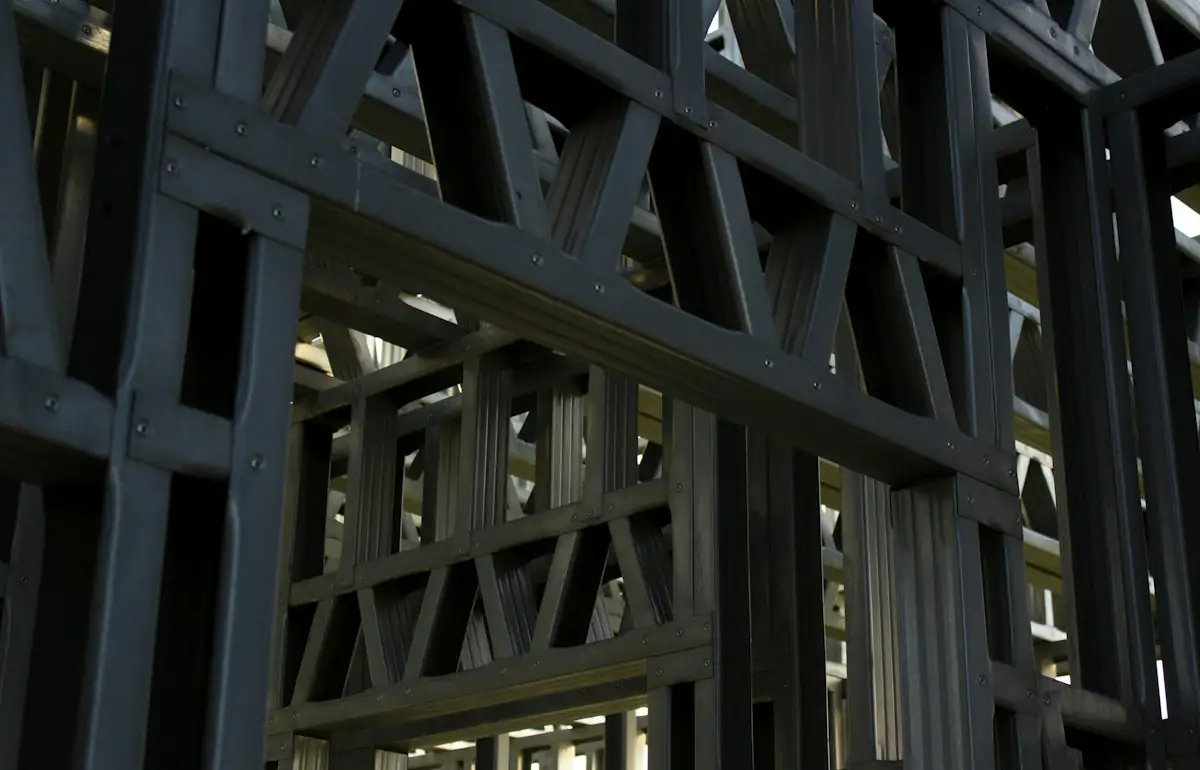
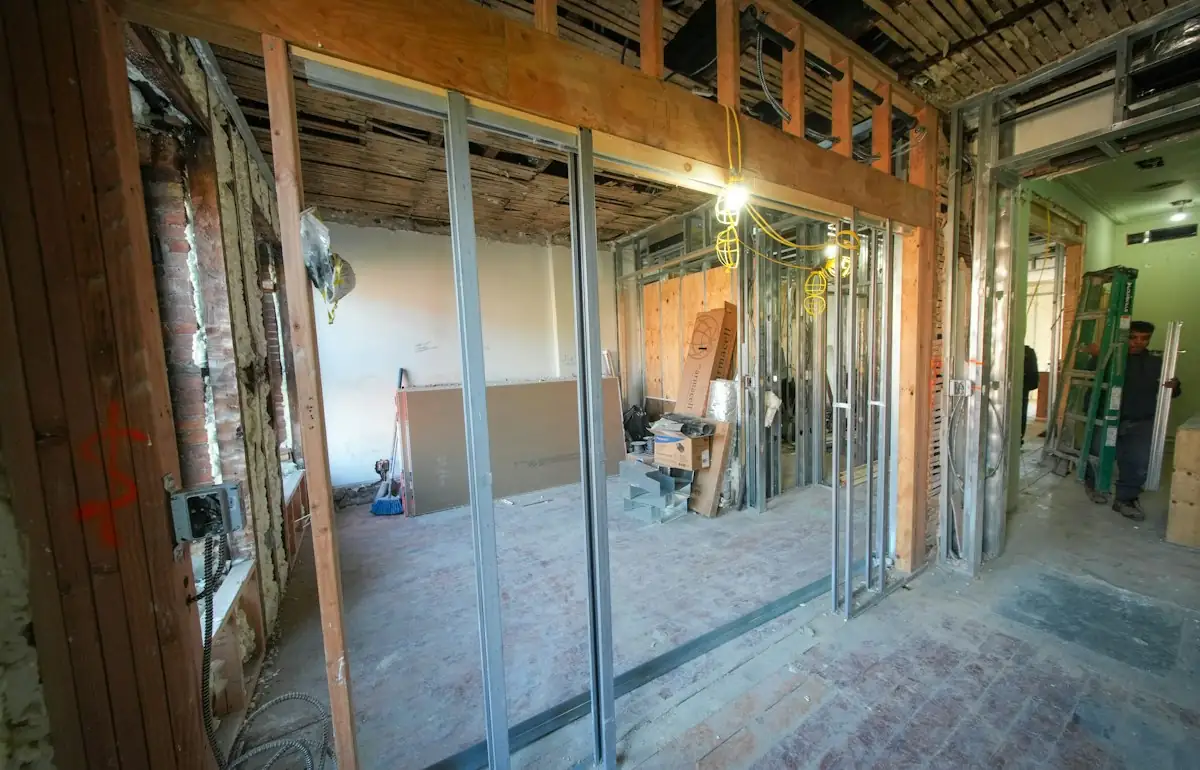
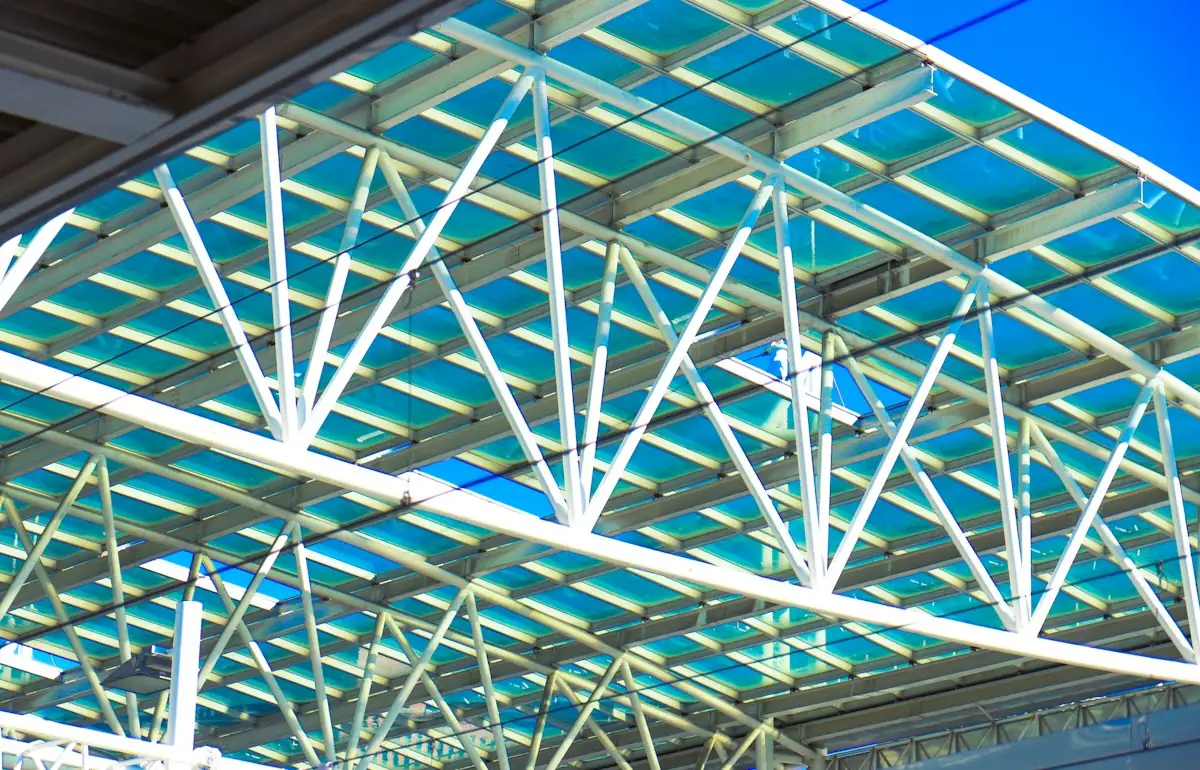
Illustrative stock photography, not ISTA project photos. Photos: Anton Maksimov 5642.su, Olek Buzunov, Oh Taeyeon on Unsplash.
Key Benefits
Engineer-led cold-formed steel design that supports efficient framing and confident permitting.
Code-Aligned Design
Members and connections sized and detailed to the applicable cold-formed steel standards and building code.
Predictable Performance
Dimensionally stable steel that does not warp, shrink, or swell with moisture changes.
Permit-Ready Documents
Sealed drawings and calculations a building department can review.
Light Gauge Steel Design
Light Gauge Steel design refers to the engineering and structural planning of buildings using
Cold-Formed Steel (CFS) members, typically made from thin sheets of galvanized steel
shaped at room temperature. This design methodology focuses on creating lightweight yet
high-strength structural frames, including walls, floors, and roof trusses.
This construction approach leverages high strength-to-weight ratios and CNC-driven manufacturing
to ensure millimetric accuracy. By utilizing specialized software, engineers can design complex
load-bearing systems that are resistant to pests, rot, and fire while remaining sustainable and recyclable.
What is Light Gauge Steel design and how does it transform modern construction?
Light Gauge Steel design is a structural engineering method that utilizes thin-walled steel sections,
usually between 0.9mm and 3.2mm thick, to form the primary skeleton of a building.
Unlike hot-rolled steel, Cold-Formed Steel is rolled or pressed into C, Z, or Hat shapes while cold.
In modern construction, this design style enables industrialized building. Components are often
pre-assembled into panels off-site, reducing on-site labor and waste. The precision of LGS allows
seamless integration with BIM, ensuring that MEP openings are pre-punched during the design phase.
Why is Cold-Formed Steel (CFS) preferred for load-bearing applications?
Cold-Formed Steel offers the highest strength-to-weight ratio of any common building material.
Unlike wood, LGS is dimensionally stable and does not warp, shrink, or swell with moisture changes,
ensuring long-term durability.
How does material thickness (Gauge) impact structural performance?
The thickness, or gauge, of steel is the primary determinant of load capacity. Lower gauge numbers
indicate thicker material. Designers must balance gauge and profile depth to prevent local buckling,
a common failure mode in thin-walled sections.
What are the primary advantages of LGS over traditional timber framing?
- Non-combustibility: Steel does not fuel fires.
- Sustainability: High recycled content and 100% recyclable.
- Pest Resistance: Immune to termites and fungal rot.
- Precision: Manufactured with tolerances under 1mm.
| Feature | Light Gauge Steel (LGS) | Timber Framing |
|---|---|---|
| Fire Resistance | Non-combustible | Combustible |
| Weight | Lightweight | Medium |
| Durability | High (No rot/pests) | Moderate |
| Sustainability | 100% Recyclable | Renewable |
What technical standards govern Light Gauge Steel design?
In the United States, Light Gauge Steel design is governed by standards published by the
American Iron and Steel Institute (AISI). Compliance is mandatory for building permits
and life-safety requirements.
How does AISI S100 regulate Cold-Formed Steel calculations?
AISI S100 provides formulas for effective section properties, accounting for buckling behavior.
Engineers rely on the Effective Width Method and Direct Strength Method (DSM).
Why are ASTM standards essential for corrosion protection?
ASTM standards such as A653 and A1003 define galvanization requirements that protect thin steel
members from corrosion for the life of the structure.
How do engineers manage seismic and lateral loads?
Lateral loads are resisted using shear walls, X-bracing, and structural sheathing.
Because LGS is lightweight, it produces lower seismic forces compared to concrete or masonry systems.
Industry-leading software for LGS design
- Vertex BD – Automated BIM panelization
- FrameCAD – Direct integration with roll-forming machines
- Tekla Structures – High-detail multi-material modeling
- Bentley MicroStation – Large-scale infrastructure projects
Thermal bridging and energy efficiency
To address thermal bridging, LGS buildings use continuous exterior insulation and thermal breaks,
ensuring compliance with modern energy codes such as IECC.
Case Study: 5-Story Hotel Construction
In a 2024 Dallas project, switching to LGS reduced the structural timeline from 15 weeks to 10 weeks.
Early BIM coordination with MEP engineers proved critical to success.
Best practices for acoustic and fire-rated assemblies
Acoustic performance is achieved through resilient channels and double-stud walls.
Fire resistance is provided using Type X gypsum board, achieving up to 2-hour fire ratings.
Conclusion
Light Gauge Steel design offers unmatched precision, speed, and durability. By following AISI
standards and leveraging BIM technology, engineers can deliver sustainable, high-performance structures.
Simple Design Process
A clear workflow from first conversation to sealed drawings.
- 1
Request Share project type, plans, and timeline.
- 2
Design Engineer sizes studs, tracks, and the load path.
- 3
Detail Connections, bracing, and lateral systems are checked against code.
- 4
Deliver Sealed drawings and calculations ready for permit.
FAQ Light Gauge Steel Design Questions
Quick answers to common questions about scope, timing, and reports.
How long does an LGS design take?
Typically 2 to 4 weeks depending on project complexity
Is LGS more expensive than wood?
Material costs may be higher, but labor and waste savings reduce total cost.
Can LGS be used for high-rise buildings?
Yes, typically up to 6–10 stories
Does light gauge steel rust?
No, when properly galvanized to ASTM standards.
Is LGS environmentally friendly?
Yes, it is highly recyclable and sustainable.
Can I use LGS for residential homes?
Absolutely, especially for precision and durability.
What software is best for beginners?
Revit for modeling; Vertex BD for detailing.
How are LGS members joined?
Using self-drilling screws or pneumatic pins.
Can LGS support concrete floors?
Yes, with steel decking and a thin concrete pour.
Does LGS interfere with Wi-Fi signals?
No more than traditional timber framing.