When it comes to Structural Considerations for Installing a Swimming Pool: An Engineer’s Guide, a beautiful, functional swimming pool represents a significant investment in your property and quality of life. Protecting this investment begins with recognizing that proper swimming pool structural design is not an optional extra but a fundamental requirement. From the initial geotechnical investigation through foundation design, structural reinforcement, and specialized considerations for complex sites, engineering principles form the foundation of a durable, safe, and long-lasting pool structure. In Denver, where soil conditions vary dramatically and climate fluctuations can be extreme, the role of a structural engineer is critical in ensuring the pool’s structural integrity.
Why a Proper Swimming Pool Structural Design is Non-Negotiable
The swimming pool structural design is the backbone of your entire pool project. When empty, a typical residential pool must resist tremendous soil pressure from the sides. When filled, it contains thousands of gallons of water exerting constant hydrostatic pressure. In Denver’s variable climate, the structure must also withstand freeze-thaw cycles that can compromise inferior construction. Without proper engineering, pools can experience catastrophic failures including structural cracking, leakage, or in extreme cases, collapse. These issues often lead to repairs costing tens of thousands of dollars—far exceeding the initial investment in professional engineering services. Understanding these risks makes it clear why compromising on swimming pool structural design is simply not an option for responsible homeowners. It’s crucial to involve a structural engineer from the outset, particularly for projects that may require Structural Modification Design to ensure compliance with local building codes and regulations.
Furthermore, the importance of a thorough geotechnical investigation cannot be overstated. This process involves soil borings and analysis to determine soil composition, bearing capacity, and compaction requirements. In Colorado’s Front Range, soil conditions vary dramatically—from stable gravel beds to problematic expansive clays that swell when wet and shrink during droughts. These clay soils can exert tremendous pressure on pool walls and floors, leading to movement and cracking if not properly addressed in the design phase. A comprehensive geotechnical report provides essential data that informs every aspect of your pool foundation plan, ensuring the structure is appropriately engineered for your specific site conditions. For complex projects, Foundation Inspection services can offer valuable insights into the existing conditions of the soil and foundation, guiding the design and construction process.
The Importance of a Professional Geotechnical Report in Swimming Pool Structural Design
A professional geotechnical report is indispensable in swimming pool structural design. This report helps in understanding the site-specific conditions, including the water table level, which is crucial for designing an effective drainage system. In many Denver neighborhoods, particularly those near waterways or with high precipitation runoff, an elevated water table presents significant challenges for swimming pool structural design. Hydrostatic pressure from groundwater can literally float an empty or partially filled pool, causing catastrophic structural damage. By identifying these issues early, appropriate drainage solutions can be incorporated into your swimming pool structural design, preventing what could be a disastrous structural failure.
The Critical First Step: Geotechnical Investigation and Soil Analysis
Before any excavation begins, a comprehensive geotechnical investigation forms the cornerstone of effective swimming pool structural design. This process involves not just soil analysis but also an understanding of the local hydrology and the potential for groundwater to affect the pool’s foundation. By engaging the services of a structural engineer experienced in Residential Structural Engineering Services, homeowners can ensure that their pool project is approached with the necessary expertise to handle complex site conditions. Whether it’s a simple residential pool or a complex commercial installation, the principles of sound swimming pool structural design remain the same: to create a structure that is safe, durable, and resistant to the environmental challenges it will face.
In addition to geotechnical investigations, the design of the pool itself must consider various factors, including the type of foundation required. For stable, well-draining soils, a compacted gravel base may suffice, but in areas with expansive clay soils, a mat foundation designed by a structural engineer is typically necessary. This foundation type acts as a rigid platform that distributes loads evenly and resists differential settlement. The specification of materials, such as epoxy-coated rebar in corrosive soils, further enhances the durability of the structure, demonstrating how attention to detail in the swimming pool structural design pays long-term dividends. For projects involving significant alterations to existing structures, such as Basement Finishing Structural work, careful planning and execution are crucial to ensuring the structural integrity of the building.
Core Elements of a Sound Swimming Pool Structural Design
A sound swimming pool structural design incorporates multiple key elements, including the foundation, the pool shell, and the surrounding decking. Each of these components must be designed to work in harmony with the others, considering factors such as soil pressure, hydrostatic forces, and the potential for ground movement. The foundation, as discussed, is critical, but so too is the design of the pool shell itself. This includes the specification of a suitable concrete mix, the placement of reinforcement such as rebar, and the inclusion of control joints to allow for movement without cracking. By carefully considering each of these factors, a structural engineer can create a swimming pool structural design that is both aesthetically pleasing and structurally sound.
The Indispensable Role of a Structural Engineer in Pool Construction
Many homeowners wonder, “Does an engineer need to be involved in pool construction?” The answer from industry professionals is a resounding yes, particularly for custom or complex projects. A qualified structural engineer brings specialized knowledge to your swimming pool structural design that pool contractors may lack. This includes interpreting geotechnical data, creating detailed structural drawings, specifying materials, and performing critical phase inspections during construction. The involvement of a structural engineer ensures that the built structure matches the design intent, providing peace of mind and protecting your significant pool investment. For complex projects, such as Mezzanine Design or the integration of pools with retaining walls, the role of the structural engineer is indispensable in ensuring the structural integrity and safety of the installation.
My Experience with Structural Considerations for Installing a Swimming Pool: An Engineer’s Guide
As a licensed structural engineer with years of hands-on field experience inspecting, evaluating, and designing structural systems, I have seen firsthand the importance of proper swimming pool structural design. From the initial consultation through to the completion of the project, it is crucial to approach each pool installation with a keen understanding of the site-specific conditions and the potential challenges they may pose. Whether it’s addressing an elevated water table, designing a foundation for expansive clay soils, or simply ensuring that the pool shell is properly reinforced, every aspect of the swimming pool structural design must be carefully considered. By doing so, we can create pools that are not only beautiful and functional but also safe and durable, providing years of enjoyment for homeowners and their families. In my experience, involving a structural engineer early in the process can make all the difference, guiding the project from conception to completion with the necessary expertise to overcome any challenges that may arise.
Special Considerations for Complex Swimming Pool Structural Design
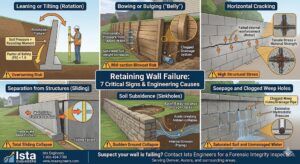
Properties with significant elevation changes often require integrating pools with retaining walls, a scenario that demands sophisticated swimming pool structural design. The intersection of these two structural systems creates complex load interactions that require careful engineering analysis. The retaining wall must resist not only soil pressure but also hydraulic loads from the pool, while proper drainage becomes critically important to prevent water pressure buildup behind the wall. Our expertise in Retaining Wall Design ensures these integrated structures perform harmoniously, preventing failures that could compromise both the pool and the supported slope. Whether it’s a residential or commercial project, the principles of sound swimming pool structural design remain the same, but the complexity of the project may require additional expertise and careful planning.
Rooftop and Elevated Pools: Advanced Swimming Pool Structural Design Challenges
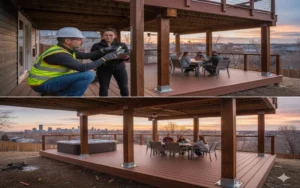
The growing popularity of rooftop pools in urban Denver developments represents the most challenging swimming pool structural design scenario. These installations impose tremendous additional dead loads on supporting structures—a typical pool adds 150 pounds per square foot beyond the building’s original design parameters. Our engineering analysis for such projects often involves complex load redistribution strategies, similar to those employed when Adding a Floor to an Old Building or performing strategic column removal in buildings. These advanced structural modifications require sophisticated engineering to ensure both the pool and supporting structure remain safe and serviceable for decades. The design must also consider the aesthetic aspects, such as the visible structural elements and the integration with the building’s architecture, to create a harmonious and functional space.
Frequently Asked Questions on Pool Structural Design
What kind of foundation is needed for a swimming pool?
The foundation requirements vary based on soil conditions. In stable, well-draining soils, a compacted gravel base may be sufficient, but in Denver’s common expansive clay soils, a mat foundation is typically necessary to distribute loads evenly and prevent differential settlement. The specific foundation design should be determined by a structural engineer after reviewing the geotechnical report.
Does an engineer need to be involved in pool construction?
While not always legally required for basic vinyl liner pools, engineering involvement is strongly recommended for all concrete pools and absolutely essential for complex projects. An engineer ensures proper structural integrity, interprets soil reports, creates structural drawings, and helps prevent costly failures. The modest investment in engineering services provides peace of mind and protects your significant pool investment.
Conclusion
A beautiful, functional swimming pool represents a significant investment in your property and quality of life. Protecting this investment begins with recognizing that proper swimming pool structural design is not an optional extra but a fundamental requirement. From the initial geotechnical investigation through foundation design, structural reinforcement, and specialized considerations for complex sites, engineering principles form the foundation of a durable, safe, and long-lasting pool structure. Don’t leave the structural integrity of your swimming pool to chance. The team at Ista Engineers brings decades of specialized experience in swimming pool structural design to projects throughout Denver and the Front Range.
Sources:
American Society of Civil Engineers
International Code Council