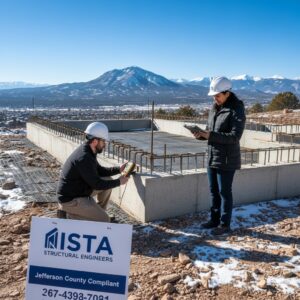
A structural inspection in Boulder is a high-level technical assessment of a building’s primary load-bearing components, conducted by a licensed Professional Engineer (PE) to ensure long-term safety, stability, and Structural Integrity. Unlike a general home inspection, this process utilizes advanced engineering principles to evaluate the Load Path and the structure’s resilience against Boulder-specific environmental stressors like expansive soils, high-velocity winds, and flood risks. Whether for a historic renovation on Mapleton Hill or a new build in North Boulder, a structural inspection in Boulder provides the empirical data and legal certification required to protect property value and human life.
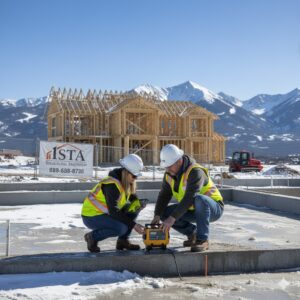
A professional structural inspection in Boulder serves as the authoritative diagnostic tool for property owners, prioritizing the health of the Foundation, framing, and lateral support systems. By utilizing specialized equipment such as Digital Manometers and Ground Penetrating Radar (GPR), engineers can detect sub-surface movement or internal skeletal fatigue that remains invisible to standard inspectors. This rigorous evaluation ensures compliance with the International Building Code (IBC) and the specific mandates of the City of Boulder Planning & Development department, providing a stamped Engineering Letter that is essential for real estate transactions, permits, and insurance claims.
What defines a professional structural inspection in Boulder?
A professional structural inspection in Boulder is an exhaustive forensic audit performed by an engineer to determine if a building is capable of safely supporting its intended loads. This process involves a systematic review of the Foundation Footings, load-bearing walls, floor joists, and roof trusses to identify any deviations from the original design or current safety standards. In a city known for its diverse topography ranging from flat plains to steep foothills this inspection must be tailored to the specific Soil Mechanics and environmental context of the lot.
Secure your property investment with a comprehensive assessment from licensed local engineers. We provide the technical clarity you need.
Call Our Team: (720) 740-4060The final output of a structural inspection in Boulder is a formal report, often accompanied by a PE Seal. This document categorizes any identified defects into life-safety concerns, immediate repairs, or long-term maintenance items. For those seeking a Structural Inspection service, this report is the primary legal document used to negotiate repair credits during a home sale or to obtain building permits for major structural alterations.
How does high-altitude geology impact structural inspection in Boulder?
The high-altitude geology of Boulder, situated at the base of the Flatirons, introduces complexities like shallow bedrock and steep-slope instability that a structural inspection in Boulder must account for. Engineers evaluate how Lateral Loads from sloping terrain exert pressure on uphill foundation walls, often requiring specialized Retaining Walls or tie-back systems. Understanding the interaction between the structure and the rocky terrain is vital for preventing “downslope creep,” a common issue for properties built on Boulder’s western edge.
Why are Boulder’s expansive clay soils a primary focus for structural inspection?
Boulder’s soil is notorious for high concentrations of expansive clay, which acts like a sponge—swelling significantly when saturated and shrinking during dry spells. A structural inspection in Boulder focuses heavily on this phenomenon because the force exerted by swelling clay can snap concrete foundations and lift entire floor slabs. An engineer will look for “stair-step” cracking in brickwork or interior drywall fissures as primary indicators of Foundation Settlement or heave driven by these volatile Soil Mechanics.
Contact ISTA Engineers for an authoritative structural inspection in Boulder. We provide thorough evaluations for residential and commercial assets.
Speak With An EngineerDuring the inspection, the engineer also evaluates the property’s grading and drainage. In Boulder, improper gutter discharge or poor site sloping can lead to localized soil saturation, triggering the expansion of clay and compromising the Structural Integrity of the home. Identifying these triggers early is a core part of the Structural Inspection service provided to Front Range homeowners.
Can a structural inspection in Boulder identify foundation heave from moisture?
Yes, a structural inspection in Boulder utilizes Digital Manometers to create a highly accurate floor-levelness map. If the center of a basement floor is higher than the perimeter, it is a classic sign of “heave” caused by moisture-saturated clay under the slab. By quantifying this movement, an engineer can determine if the building needs a subsurface drainage system or if the foundation requires underpinning to reach stable, non-expansive strata.
How does a structural inspection in Boulder address extreme Chinook wind loads?
Boulder is famous for its “Chinook” winds, which can reach speeds exceeding 100 mph as they roar down the Flatirons. A structural inspection in Boulder assesses the building’s “wind uplift” resistance and the integrity of its lateral bracing. Engineers check the connection points between the roof and the walls, ensuring that the Load Path is properly tied down with hurricane straps or specialized hardware to prevent the roof from lifting during extreme wind events.
These high winds also exert “racking” forces on tall or narrow structures. During a structural inspection in Boulder, we examine the sheer walls and diaphragm strength of the building to ensure it doesn’t experience excessive sway. This is particularly important for modern Boulder homes with large glass spans, where the Structural Integrity must be maintained without the aid of traditional solid walls.
Why is a structural inspection in Boulder critical for properties in the floodplain?
Boulder’s history of flash flooding, particularly from Boulder Creek and its tributaries, makes a structural inspection in Boulder essential for properties located in designated flood zones. Floodwaters create immense Hydrostatic Pressure against basement walls, which can lead to sudden structural failure. An engineer will inspect the foundation for signs of previous water intrusion and evaluate the home’s ability to resist “buoyancy forces” that can occur during a 100-year flood event.
Furthermore, flood-prone areas often have saturated soils that reduce the bearing capacity of the ground. A structural inspection in Boulder will verify that the Foundation Footings haven’t been undermined by erosion or “scouring.” For more information on protecting your property, you can explore the Structural Inspection service page for localized safety guidelines.
Case Study
In 2025, ISTA Structural Engineers performed a forensic structural inspection in Boulder for a property near Mapleton Hill that was experiencing mystery cracks in a recently renovated kitchen.
- The Experiment: We used Infrared Thermography to locate hidden moisture behind the walls and a Laser Level to map the sub-floor joists.
- Observations: The floor had a 1.5-inch slope over 10 feet, which the previous homeowner had attempted to level with self-leveling compound rather than addressing the cause.
- Discovery: A historic sandstone pier had begun to crumble due to improper drainage, causing a primary load-bearing post to sink.
- Outcome: We designed a steel “sistering” plan for the joists and a new concrete footing to replace the sandstone pier.
- Lesson: A structural inspection in Boulder is the only way to uncover “cosmetic cover-ups” that hide deep-seated engineering failures.
How does a structural inspection in Boulder differ from a standard real estate home inspection?
A standard home inspection is a general survey of a house’s systems (HVAC, electrical, plumbing), whereas a structural inspection in Boulder is a deep-dive into the building’s physics conducted by a licensed Professional Engineer. Standard inspectors are often prohibited by law from providing structural repair designs or formal “opinions” on the safety of a foundation; only a Professional Engineer can provide a stamped, legally binding assessment.
| Feature | Standard Home Inspection | Structural Inspection (ISTA) |
| Provider | Licensed Home Inspector | Professional Engineer (PE) |
| Primary Focus | General Functionality | Structural Integrity & Life-Safety |
| Tools Used | Flashlight, Moisture Meter | Manometers, GPR, Thermal Imaging |
| Legal Standing | Disclosure for home sales | Valid for Permits & Insurance Claims |
| Deliverable | Summary of visible defects | Stamped Engineering Letter & Design |
When should owners schedule a structural inspection in Boulder for ADU construction?
With the City of Boulder’s recent push for Accessory Dwelling Units (ADUs), many owners are converting garages or basements into living spaces. You should schedule a structural inspection in Boulder before starting an ADU project to ensure the existing structure can handle the “increased live load” of human occupancy. If you are adding a second story to a garage, an engineer must verify that the original Foundation and “header” beams are sufficient to support the new weight.
The City of Boulder Planning & Development usually requires a stamped structural report for ADU permits. By performing a structural inspection in Boulder during the planning phase, you can avoid the high cost of retrofitting a foundation after construction has already begun. You may contact us to discuss the structural requirements for your specific ADU or carriage house project.
What are the unique challenges of a structural inspection in Boulder for historic masonry?
Boulder is home to thousands of historic brick and stone structures that require a specialized touch during a structural inspection in Boulder. Historic masonry often uses “lime mortar,” which is softer and more breathable than modern cement. A structural engineer must ensure that any settlement repairs don’t use materials that are too rigid, which could cause the historic bricks to shatter. We also pay close attention to the Load Path in these older buildings, as they often lack the lateral bracing required by modern codes.
Need an engineer-stamped report? Our team delivers professional, high-standard structural inspections for properties throughout Boulder.
Request Your InspectionPreserving the aesthetic of a Boulder historic district while ensuring Structural Integrity is a delicate balance. Our engineers are experienced in providing “invisible” repairs, such as internal carbon fiber strapping or helical piering, that stabilize the building without altering its historic character. This is a critical component of the Structural Inspection service for Boulder’s older neighborhoods.
Does your Boulder property require a structural letter for deck or balcony safety?
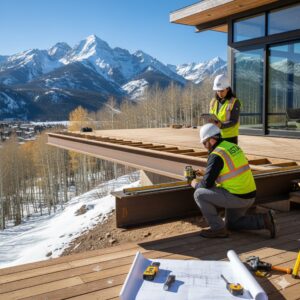
Yes, due to Boulder’s high snow loads and intense winds, deck and balcony safety is a significant concern. A structural inspection in Boulder can identify issues like “ledger board failure” where the deck begins to pull away from the house—or rot in the primary support posts. A stamped letter from an engineer is often required by the city for deck permits and is highly recommended for any home with an elevated outdoor living space.
If your deck “bounces” when walked upon or shows signs of rusted flashing, a structural inspection in Boulder is necessary to prevent a collapse. Our engineers will verify the connection to the main house and ensure the Load Path safely transfers weight to the ground. For a professional review of your deck or any other structural component, please visit our contact us page or call us directly.
Conclusion
A structural inspection in Boulder is the most critical step any property owner can take to ensure the longevity and safety of their investment. From navigating the volatile Soil Mechanics of the Front Range to certifying the stability of a historic landmark, a licensed Professional Engineer provides the technical expertise that standard inspections cannot match.
ISTA Structural Engineers is proud to serve the Boulder community with forensic-level accuracy and engineered solutions. Whether you are buying a new home, renovating a historic estate, or seeking a permit for an ADU, our team is ready to help. To schedule your structural inspection in Boulder, call us today at (720) 740-4060 or contact us through our website to secure your property’s future.
Frequently Asked Questions
- How much does a structural engineer cost for an inspection in Boulder?
Residential structural inspections in Boulder typically cost between $700 and $2,200, depending on the complexity and size of the structure.
- How long does a structural inspection in Boulder take?
An on-site visit usually lasts 2 to 4 hours, with the final stamped report delivered within 5 business days.
- Can a structural engineer help with a Boulder building permit?
Yes, our stamped reports and repair designs are accepted by the City of Boulder and Boulder County for permit applications.
- Do I need a structural inspection for a small crack in the basement?
While some cracks are cosmetic, a structural inspection in Boulder is recommended to determine if the crack indicates active Foundation Settlement.
- Does ISTA inspect commercial buildings in Boulder?
Yes, we provide full structural inspections for commercial, retail, and industrial properties across Boulder County.
- What is the frost line depth in Boulder?
The standard frost line depth in Boulder is 36 inches, but it may vary in higher foothills elevations.
- Can you detect structural damage caused by the 2013 flood?
Yes, we perform forensic evaluations to identify long-term hydrostatic damage or soil erosion caused by historic flooding.
- Is a structural inspection the same as a foundation repair bid?
No, an inspection is an unbiased engineering analysis; a repair bid is a sales quote from a contractor.
- Will you tell me if a wall is load-bearing?
Yes, identifying load-bearing walls for remodel planning is a very common part of a structural inspection in Boulder.
- What tools do you use for a structural inspection in Boulder?
We use Digital Manometers, Laser Levels, moisture meters, and sometimes GPR to assess your property’s health.