Secure your property investment with a comprehensive assessment from licensed local engineers. We provide the technical clarity you need.
Call Our Team: (720) 740-4060A structural inspection in Vail is a specialized technical assessment of a building’s primary load-bearing system, conducted by a licensed Professional Engineer (PE) to ensure it can withstand the unique alpine stressors of Eagle County. Unlike general inspections, this process focuses on the Structural Integrity of foundations, framing, and roofing systems, specifically evaluating their performance against heavy snow accumulation and steep-slope soil movement. Whether for a luxury estate in Beaver Creek or a condo in Lionshead, a structural inspection in Vail provides the legal and technical assurance required for high-stakes real estate and construction projects.
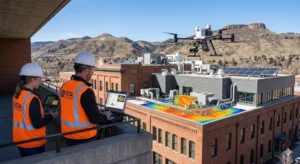
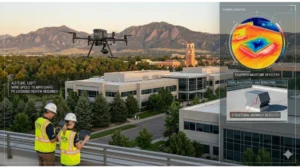
A professional structural inspection in Vail serves as the definitive authority on a property’s health, prioritizing Load Path continuity and environmental resilience. By utilizing advanced diagnostics like Infrared Thermography and Ground Penetrating Radar (GPR), engineers identify hidden vulnerabilities in Foundation walls and roof trusses. This evaluation ensures compliance with the International Building Code (IBC) and provides a stamped Engineering Letter essential for permits, insurance, and investment protection.
What defines a professional structural inspection in Vail?
A professional structural inspection in Vail is an exhaustive, forensic-level evaluation of a building’s skeletal components designed to verify they meet or exceed safety standards. This goes beyond a visual walk-through, involving a detailed analysis of Foundation Footings, support columns, and lateral bracing systems. In the context of Vail’s high-value real estate market, this inspection is a core component of Real Estate Due Diligence, protecting buyers from the massive costs associated with mountain-specific structural failures.
The result of a structural inspection in Vail is a formal report mmeored with a Professional Engineer seal. This document is a critical asset for navigating Eagle County Community Development regulations. It identifies not only existing damage but also predictive risks such as Soil Mechanics shifts or moisture-driven decay in Timber Framing, offering engineered solutions for long-term stability.
How does high-altitude geography impact structural inspection in Vail?
The high-altitude environment of Vail, sitting at 8,150 feet, creates unique engineering challenges that require local expertise. A structural inspection in Vail must account for extreme temperature fluctuations that cause materials to expand and contract rapidly, potentially compromising Building Envelope seals and structural joints. Engineers also evaluate the property’s Hydrology to ensure that rapid spring snowmelt doesn’t saturate the soil and cause catastrophic hydrostatic pressure against basement walls.
Why is Eagle County’s 48-inch frost depth critical for structural inspection in Vail?
In Vail and the surrounding Eagle County area, the frost line is significantly deeper than in other regions, typically requiring foundations to be buried at least 48 inches deep. A structural inspection in Vail carefully examines the foundation for signs of Frost Heave, which occurs when water in the soil freezes beneath the footings and lifts the structure. This movement can lead to cracked Foundation walls and unlevel floors, which our engineers detect using high-precision Digital Manometers.
Contact ISTA Engineers for an authoritative structural inspection in Vail. We provide thorough evaluations for residential and commercial assets.
Speak With An EngineerIf a foundation was not properly designed for this frost depth, the structure will experience seasonal “cycling” that eventually weakens the Load Path. During our inspection, we verify that the Structural Integrity remains intact and, if necessary, recommend Helical Piers or other stabilization methods to anchor the building below the active frost zone.
How does a structural inspection in Vail address extreme alpine snow loads?
Vail’s heavy snowfall requires roofs to be engineered for massive live loads, often exceeding 100 pounds per square foot. A structural inspection in Vail evaluates the Roof Truss systems and primary beams to ensure they have the necessary Factor of Safety to prevent collapse during a peak winter. We look for signs of wood “creep,” where timber beams permanently deform under sustained heavy weight, a common issue in older mountain chalets.
Need an engineer-stamped report? Our team delivers professional, high-standard structural inspections for properties throughout Vail.
Request Your InspectionFurthermore, the Building Envelope must be inspected to ensure ice dams are not causing water to back up into the structural framing. Water intrusion can lead to localized rot in Load-bearing walls, which significantly compromises the building’s ability to support winter snowpacks. Our engineers use Moisture Probes to find these hidden issues before they lead to structural failure.
Can a structural inspection in Vail identify hidden roof truss fatigue?
Yes, a structural inspection in Vail can identify fatigue in roof trusses even before visible sagging occurs. By analyzing the connection points specifically the metal connector plates or “gussets”—an engineer can determine if the teeth have begun to pull out due to repeated loading cycles. This is a vital part of forensic Structural Inspection service that prevents catastrophic failures during record-breaking snow years.
What are the primary signs of foundation movement in Vail’s steep-slope properties?
Many properties in the Vail Valley are built on steep terrain, making them susceptible to “slope creep” or landslides. A structural inspection in Vail focuses on the Foundation and Retaining Walls to ensure the earth isn’t slowly pushing the building off its axis. Signs of movement include diagonal cracks in foundation concrete, tilting walls, or gaps forming between the soil and the structure.
- Vertical Cracking: Often indicates settlement or frost heave.
- Horizontal Cracking: A sign of dangerous hydrostatic pressure from the mountainside.
- Shear Failure: Where the wall begins to slide relative to the floor slab.
- Retaining Wall Bulging: Indicates a failure of the drainage or tie-back system.
Case Study
In 2025, ISTA Structural Engineers conducted a structural inspection in Vail for a multi-unit property in East Vail located near a known debris flow path.
- Objective: To determine if vibrations from I-70 traffic and historic soil movement had compromised the primary Foundation.
- Methodology: We utilized Ground Penetrating Radar (GPR) to map the sub-surface footings and installed crack monitors to measure movement over a 30-day period.
- Discovery: While the foundation was stable, the Lateral Loads from the uphill side had caused the basement walls to bow by 1.5 inches.
- Outcome: We designed a carbon-fiber reinforcement system that saved the client $150,000 compared to a full wall replacement.
- Lesson: Professional Forensic Engineering provides data-backed solutions that prevent unnecessary demolition and maximize property value.
How does a structural inspection in Vail differ from a standard real estate home inspection?
A standard home inspection is a general survey of systems like HVAC and plumbing, whereas a structural inspection in Vail is a specialized engineering audit of the building’s stability. Home inspectors often lack the licensing to provide a PE Seal, which is legally required for most structural repairs in Colorado.
| Feature | Standard Home Inspection | Structural Inspection (ISTA) |
| Scope | Cosmetic & Functional | Structural Integrity & Life-Safety |
| Authority | General Contractor Knowledge | Professional Engineer (PE) License |
| Compliance | General real estate disclosure | Eagle County Community Development |
| Liability | Limited liability | High professional accountability |
| Outcome | Maintenance list | Stamped Engineering Report |
When should owners schedule a structural inspection in Vail for luxury remodels?
You should schedule a structural inspection in Vail before any major renovation that involves moving walls, adding windows, or changing rooflines. Because mountain homes often use complex Timber Framing and Steel Reinforcement, adding a new load (like a hot tub or a heavy stone fireplace) can inadvertently overload the existing Foundation.
Our team works with homeowners to provide the necessary calculations for Eagle County P&Z permits. By performing a structural inspection in Vail early, you avoid costly “surprise” repairs once the walls are opened, ensuring your remodel is built on a solid foundation. This is a critical step in our Structural Inspection service for high-end residential clients.
Are structural safety certifications required for Vail short-term rental permits?
Yes, the Town of Vail and Eagle County have increasingly strict ordinances for Short-Term Rentals (STRs). A structural inspection in Vail is often required to certify the safety of decks and balconies, which are under high stress from both guests and snow. A stamped Engineering Letter from ISTA Structural Engineers provides the necessary documentation to satisfy insurance requirements and local safety codes.
For property owners, this certification minimizes liability and ensures the safety of their guests. If your deck shows signs of wood rot or loose railings, you must contact us to perform a professional evaluation before listing your property.
Conclusion
Investing in a structural inspection in Vail is the most effective way to manage the risks associated with mountain property ownership. From navigating Soil Mechanics to ensuring your roof can handle record-breaking snowfalls, a Professional Engineer provides the technical clarity needed to protect your investment.
Don’t leave your property’s safety to chance. For a comprehensive, data-driven assessment, reach out to ISTA Structural Engineers. To book your structural inspection in Vail today, call us at (720) 740-4060 or visit our contact us page for an expert consultation.
Frequently Asked Questions
- How much does a structural inspection in Vail cost?
Standard residential inspections in Vail typically range from $900 to $3,000, depending on the property size and the scope of forensic testing required.
- Does ISTA provide a stamped report after the inspection?
Yes, every structural inspection in Vail includes a report mmeored with a Colorado Professional Engineer seal.
- How long does it take to get my structural report?
The on-site inspection takes 2-5 hours, and the finalized report is usually delivered within 3-7 business days.
- Can you inspect commercial properties in Vail Village?
Yes, we provide full structural inspections for commercial buildings, HOAs, and multi-family complexes.
- What is the frost depth in Vail?
Eagle County requires a minimum frost depth of 48 inches for all structural footings.
- Do I need an inspection for a new deck?
Yes, to obtain a permit in Vail, you will likely need a structural engineer to certify the plans or the existing support structure.
- Can you detect rot in log homes?
Absolutely. We use specialized moisture probes and forensic techniques to identify decay in log and timber-frame structures.
- What happens if my house fails the structural inspection?
We provide a detailed repair plan and can refer you to specialized mountain contractors to perform the remediation.
- Is ISTA licensed in the State of Colorado?
Yes, all our lead engineers hold current Professional Engineer (PE) licenses in Colorado.
- Does a structural inspection cover mold?
While we focus on the Structural Integrity, we will identify the water intrusion sources that cause mold growth.