
Permit-ready, PE-stamped structural plans engineered for Denver’s zoning, soils, and plan review.
- Existing home
- New ADU
- Utility & structural tie
From backyard to finished ADU in Denver
- 01Review the lot, the existing home and the ADU concept
- 02Engineer the foundation and structure
- 03Check loads, snow and soils
- 04Permit-ready plans for Denver CPD, then the finished ADU
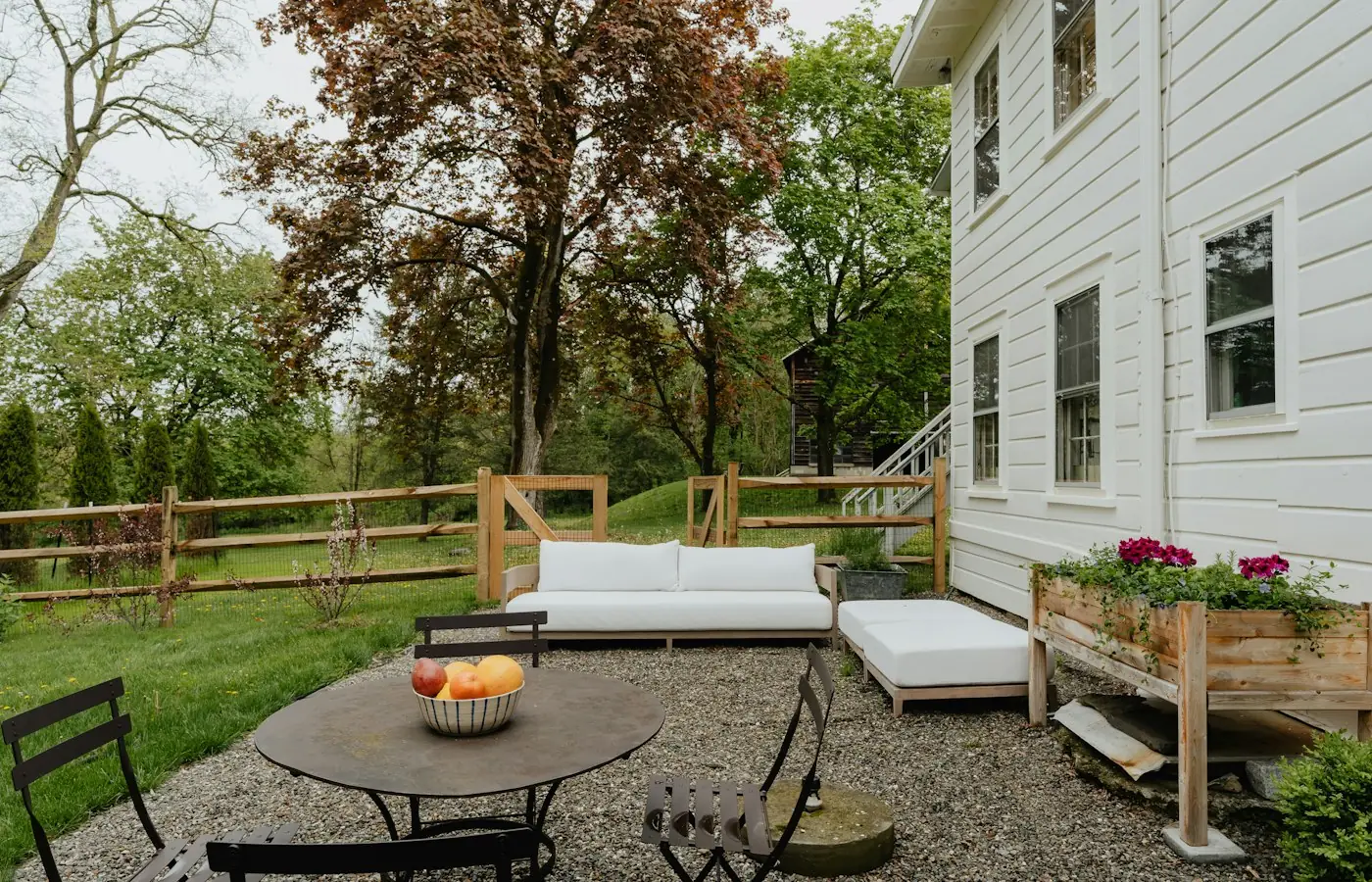
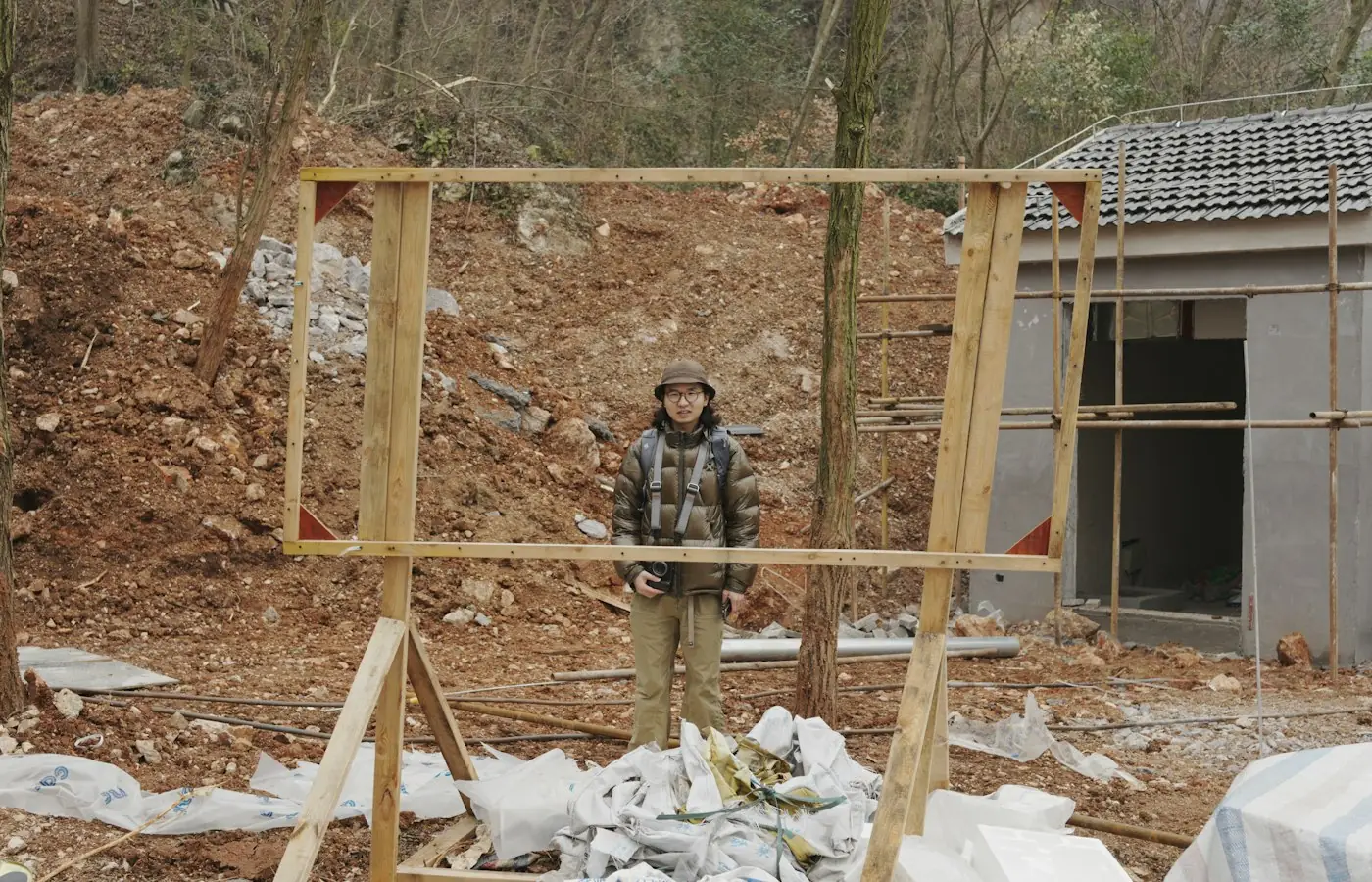
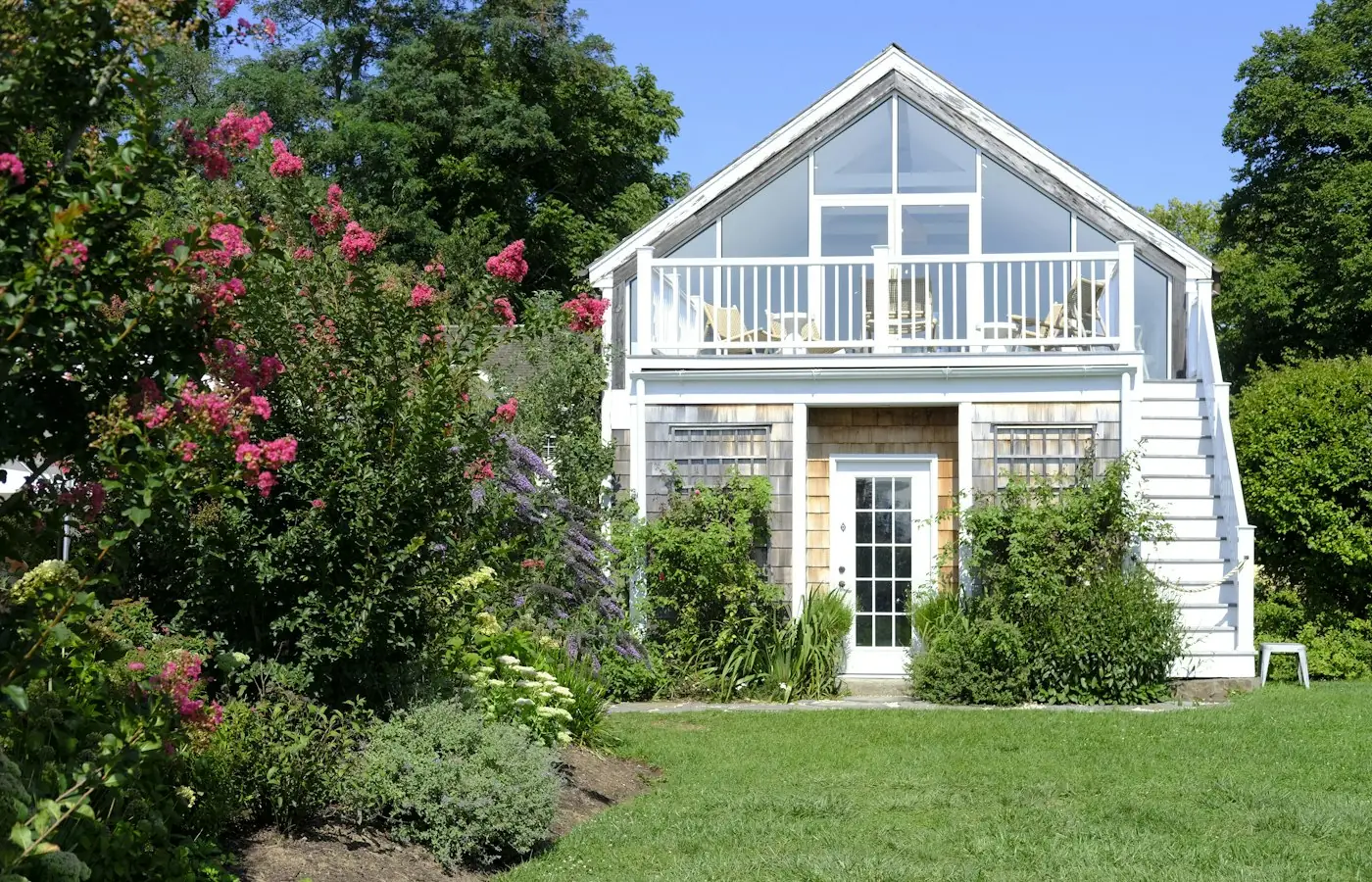
Illustrative stock photography, not ISTA project photos. Photos: Clay Banks, Yishen Ji, Alisa Orlova on Unsplash.
Since Denver opened up accessory dwelling units citywide, more homeowners than ever can build one but the permit still hinges on engineered, stamped structural plans. As an ADU structural engineer in Denver, ISTA Engineers prepares the foundation design, framing, and load calculations your project needs, sealed by a Colorado-licensed Professional Engineer and drawn to fit Denver’s specific rules.
We work with Denver homeowners, contractors, and architects to turn a concept into a structurally sound plan set that clears Denver Community Planning and Development (CPD) review whether you are building a detached carriage house off the alley, converting a garage, or finishing a basement unit.
Why a Denver ADU Needs a Structural Engineer
An ADU is a complete, independent dwelling with its own structural system, so Denver treats it like new residential construction. Before issuing a permit, the city requires engineered foundation and structural plans, and your build will pass separate foundation and framing inspections during construction.
The structural engineer’s job is the part of the permit set that proves the building will stand: the foundation, the framing, the lateral system, and the load calculations behind them. Get that right up front, and the rest of the project moves faster.
Denver Rules That Shape Your Structural Plans
Denver’s 2024 citywide ADU ordinance, CB24-1303, made ADUs an allowed use in every residential zone that permits a single-family home, removed the minimum lot size, and dropped owner-occupancy and added-parking requirements. That opened the door but the dimensional rules still control what actually fits on your lot, and we engineer the structure around them.
Bulk Plane, Height, and the Rear 35%
A detached ADU must sit in the rear 35% of the lot and stay within Denver’s bulk-plane envelope, capped at about 24 feet and 1.5 stories. These limits drive the roof form, wall heights, and framing approach, so we design the structure to live inside that envelope from the first sketch.
Setbacks, Alleys, and Lot-Size Scaling
Side and rear setbacks vary with lot width and whether the property has an alley and many Denver lots do, which often shapes where a detached unit and its foundation go. Allowed size scales with the lot, up to roughly 1,000 square feet on larger lots and proportionally less on a typical Denver bungalow lot.
Expansive Soils and Frost Depth
Denver’s Front Range clay soils can be expansive, and footings must bear below the frost line. Both directly affect foundation detailing one of the most important parts of a sound, durable ADU and a common point of plan-review scrutiny.
What We Deliver for Your Denver ADU Permit Set
Our goal is a coordinated, permit-ready package that Denver CPD can approve without a round of corrections. A typical Denver ADU structural set includes:
For a full breakdown of the package, see our guide to what’s in an ADU permit set in Colorado.
- Structural load calculations snow, wind, seismic, and gravity loads for your design.
- Foundation design footings and details engineered for Denver frost depth and expansive soils.
- Framing plans floor, wall, and roof framing within the bulk-plane envelope.
- Lateral / shear design the bracing and load path that resist wind and seismic forces.
- PE-stamped drawings & calc package sealed by a Colorado-licensed Professional Engineer.
- Plan-review support we respond to CPD comments to keep your permit moving.
ADU Types We Engineer in Denver
Detached ADUs and Carriage Houses
The classic Denver backyard unit often off the alley in the rear 35% of the lot. It needs a complete structural system from footings to roof. See detached ADU structural engineering.
Garage Conversion ADUs
Denver has thousands of older garages, and converting one is rarely just adding walls. The existing slab and foundation were built for vehicles, not living space, and usually need evaluation or reinforcement. See garage conversion structural engineering.
Basement and Internal ADUs
Basement units bring beam and header changes, possible underpinning, and Colorado’s egress and radon-mitigation requirements. Our basement ADU structural plans handle the structural side of all of it.
The Denver ADU Permit Process & Timeline
Engineering happens early right after zoning and design so your permit submittal is complete the first time. Realistically, a Denver ADU permit runs about four to seven months from application to issuance, and the city targets a 180-day maximum for residential permits. Clean, code-compliant engineered plans are one of the best ways to avoid resubmittals that stretch that timeline.
Keep in mind Denver-specific costs beyond engineering, including the Denver Water ADU System Development Charge (roughly $2,055–$3,030 in 2026) and city permit fees. For the zoning and permitting details, see Denver ADU permit requirements.
Why Denver Homeowners, Builders & Architects Choose ISTA
- Colorado-licensed Professional Engineers who seal every Denver plan set.
- Denver-specific design bulk-plane, rear-35%, alley conditions, and local soils built in.
- Certified WBENC, WOSB, MWBE, and DBE a women-owned, minority-owned firm.
- Permit-focused plans designed to clear Denver CPD review with fewer corrections.
Denver ADU Structural Engineering FAQ
Do I need a structural engineer for an ADU in Denver?
Yes. Denver requires engineered, PE-stamped foundation and structural plans for an ADU permit, whether it is detached, a garage conversion, or a basement unit.
Does Denver allow ADUs on my lot?
Since CB24-1303 took effect in December 2024, Denver allows ADUs in every residential zone that permits a single-family home, with no minimum lot size and no required parking.
What is the bulk plane and how does it affect my ADU?
The bulk plane is Denver’s height-and-massing envelope. A detached ADU sits in the rear 35% of the lot, up to about 24 feet and 1.5 stories limits we engineer your structure to fit.
How much does ADU structural engineering cost in Denver?
Typically $2,000 to $5,000 about 1 to 3 percent of project cost separate from Denver permit fees and the Denver Water SDC.
How long does a Denver ADU permit take?
Realistically about four to seven months from application to issued permit. Clean, code-compliant engineered plans help avoid resubmittals.
Can you engineer a garage conversion or basement ADU in Denver?
Yes. Garage slabs often need evaluation, and basement ADUs require egress and radon details both of which we engineer into the permit set.
Get Your Denver ADU Plans Started
Tell us about your Denver ADU and we’ll outline exactly what your lot allows and what your structural permit set will include. Request a consultation or call (720) 740-4060.
More ADU Structural Engineering Locations
- ADU Structural Engineering in Colorado
- ADU Structural Engineer in Aurora
- ADU Structural Engineer in Boulder
- ADU Structural Engineer in Colorado Springs
- ADU Structural Engineer in Golden
- ADU Structural Engineer in Lakewood
- ADU Structural Engineer in Thornton
- ADU Structural Engineer in Westminster
Related guide: