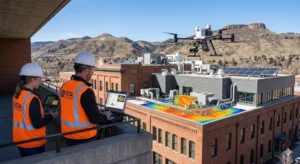
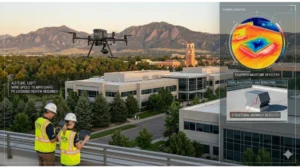
A foundation inspection in Thornton is a highly technical structural assessment conducted by a licensed Professional Engineer to evaluate the stability of a building’s support system against the aggressive soil conditions of Adams County. In Thornton, Colorado, this inspection is not merely a formality but a critical diagnostic process required to identify “heave” and “settlement” caused by the region’s high-swelling claystone, ensuring homes remain safe and compliant with local municipal codes. The primary keyword “Foundation inspection in Thornton” is crucial in understanding the importance of this process, and it is essential to note that the Foundation Inspection is a specialized service that requires expertise in structural engineering.
For residents in zip codes like 80602 or 80241, a structural evaluation provides the legal and technical documentation needed for real estate disclosures and building permits. The process utilizes advanced Manometer surveys and Structural Engineering principles to determine if a foundation requires Underpinning or simply improved moisture management. Unlike generic assessments, a foundation inspection in this area focuses on the interaction between the Dawson Formation bedrock and the home’s concrete footprint. According to the International Residential Code (IRC), a foundation inspection must adhere to specific standards, and a Structural Inspection is necessary to ensure compliance.
Why does the geology of Thornton, CO 80241 and 80602 require specialized foundation inspections?
The geology in Thornton, particularly in the 80602 and 80241 zip codes, is characterized by deep layers of expansive Claystone and Bentonite. These minerals expand with immense force when they come into contact with water, a phenomenon that a specialized foundation inspection must quantify. In areas like Signal Creek and Quebec Highlands, the soil’s “swell potential” is among the highest in the Front Range, with a Plasticity Index of up to 40%. A specialized inspection identifies whether the Slab-on-Grade or Structural Floor is being pushed upward (heave) or sinking due to poorly compacted fill, which can lead to costly repairs if not addressed promptly.
Without a Thornton-specific geological understanding, an inspector might misdiagnose the cause of structural distress, leading to ineffective and expensive repairs. For example, a foundation inspection in the Eastlake district, which sits atop volatile soil strata, requires a thorough evaluation of the soil’s moisture levels and the home’s drainage system to prevent water damage and structural issues. The City of Thornton requires that inspections verify the integrity of Egress Windows and ensure that any foundation repair, such as Helical Piers, is designed to withstand local wind loads and soil pressures, as specified in the International Building Code (IBC) Section 1807.
How do expansive claystone deposits in Eastlake affect structural integrity?
The Eastlake district and surrounding areas in 80233 sit atop volatile soil strata that directly impact structural integrity. During a foundation inspection, engineers often find that the claystone has exerted enough Hydrostatic Pressure to bow basement walls inward or crack the main Footings. Because Eastlake has a historically higher water table compared to the western parts of Thornton, the soil remains saturated longer, leading to prolonged expansion. This constant pressure can cause Shear Failure in foundation bolts and structural beams, resulting in significant damage to the home’s foundation and structure.
A foundation inspection in this zone specifically looks for moisture “wicking” through the concrete, which indicates that the exterior Waterproofing or Perimeter Drain system is failing to protect the foundation’s core. In some cases, the inspection may reveal that the foundation requires Structural Modification Design to mitigate the effects of soil expansion and ensure the home’s stability. The inspection may also involve a Relative Elevation Survey using a Ziplevel altimeter to determine the foundation’s elevation and identify any potential issues.
What specific Thornton building codes must a foundation inspection report satisfy?
A foundation inspection in Thornton must adhere to the Thornton Building Inspection Division standards and the International Residential Code (IRC). Specifically, any structural letter or “Engineer’s Certification” must include the Professional Engineer (P.E.) seal to be accepted for municipal permits. The city requires that inspections verify the integrity of Egress Windows and ensure that any foundation repair, such as Helical Piers, is designed to withstand local wind loads and soil pressures, as specified in the IBC Section 1807. If you are renovating a home in 80260, the inspection must also verify that the existing foundation can support the additional “dead load” of new construction according to Thornton’s updated structural amendments.
The inspection report must also satisfy the requirements of the American Society of Civil Engineers (ASCE) 7, which provides minimum design loads for buildings and other structures. A thorough inspection will identify any potential issues with the foundation, including signs of settling or shifting, and provide recommendations for repair or modification to ensure the home’s stability and safety. In some cases, the inspection may reveal that the foundation requires a Construction Inspection to ensure that the repair or modification is done correctly and in compliance with local building codes.
My Experience with Foundation Inspection in Thornton
As a licensed structural engineer with years of hands-on field experience inspecting, evaluating, and designing structural systems, I have seen firsthand the importance of a thorough foundation inspection in Thornton. I have worked on numerous projects in the area, including a recent inspection of a home in the Quebec Highlands subdivision, where the foundation was experiencing significant heaving due to the expansive soil. The inspection revealed that the soil’s Plasticity Index was higher than expected, and the foundation required a modified design to mitigate the effects of soil expansion.
Through my experience, I have learned that a foundation inspection in Thornton is not just a routine check, but a critical process that requires expertise and attention to detail. I have seen cases where a foundation inspection has identified potential issues before they become major problems, saving homeowners thousands of dollars in repair costs. As a structural engineer, I understand the importance of providing accurate and detailed reports, and I strive to deliver high-quality inspections that meet the needs of my clients.
How does a professional foundation inspection in Thornton differ from a standard home inspection?
A standard home inspection in Thornton provides a general overview of the property, but a professional foundation inspection is a forensic engineering event. While a home inspector might simply note a “crack in the wall,” a structural engineer uses an Inclinometer and Crack Gauges to determine if the crack is “active” or “dormant.” Furthermore, engineers provide a Structural Report that carries legal weight in Colorado courts and real estate negotiations. In Thornton’s competitive market, a general home inspection is often insufficient for lenders when “stair-step” cracks are present in neighborhoods like Hunters Glen.
Only an engineering inspection can provide the Load-Bearing analysis required to certify the building’s long-term viability. The inspection will also identify any potential issues with the foundation, including signs of water damage or structural distress, and provide recommendations for repair or modification to ensure the home’s stability and safety. For more information on the differences between a standard home inspection and a foundation inspection, refer to the article Commercial Building Inspection Engineer: A Comprehensive Guide to Structural Inspections.
What are the primary indicators of foundation movement in Thornton residential properties?
In Thornton residential properties, the primary indicators of movement are often found in the “finish” materials of the home. For properties in the 80241 area, look for interior doors that spontaneously swing open or closed, which indicates the frame is no longer Plumb. On the exterior, “V-shaped” cracks in the Brick Veneer or gaps between the garage floor and the side walls are classic signs of Differential Settlement. During a foundation inspection, we also look for “nail pops” in the drywall and separation at the trim lines.
In Thornton’s expansive soil environment, these indicators often point to a failure in the Surface Grading, where water is being funneled toward the foundation rather than away from it. The inspection may also involve a review of the home’s drainage system, including the gutters and downspouts, to ensure that water is being properly directed away from the foundation. For more information on the signs of foundation movement, refer to the article Understanding Floor Sagging Structural Issues: Causes and Solutions.
Why is a Professional Engineer’s seal mandatory for foundation inspections in Thornton?
In Thornton, a Professional Engineer (P.E.) seal is mandatory because it signifies that the inspection was performed by an individual with the rigorous training required to calculate structural loads and soil mechanics. The City of Thornton does not accept foundation certifications from general contractors or unlicensed inspectors for structural permits. The seal ensures that the foundation inspection meets the ethical and technical standards of the Colorado State Board of Licensure.
This protection is vital for homeowners in areas like Todd Creek, where complex foundation designs are required to mitigate the risk of shifting bedrock. A sealed report provides the “Engineer of Record” accountability that protects your investment during a sale or insurance claim. The report will also provide a detailed analysis of the foundation’s condition, including any potential issues or defects, and provide recommendations for repair or modification to ensure the home’s stability and safety.
For more information on the importance of a Professional Engineer’s seal, refer to the article Structural Inspection Before Buying a House: A Comprehensive Guide for Home Buyers.
Conclusion
A foundation inspection in Thornton is the most vital investment a homeowner can make to navigate the challenges of Colorado’s expansive soils. Whether you are in 80602, 80241, or 80233, understanding the structural health of your property is essential for safety and financial security. ISTA Engineers provides the local expertise and technical precision needed to diagnose Thornton’s unique foundation issues.
Need a Structural Certification in Thornton? Don’t let soil movement compromise your home’s value. Contact ISTA Engineers today for a comprehensive evaluation by a licensed Professional Engineer. Call Now: (720) 740-4060. Request a Consultation: istaengineers.com/contact-us/
FAQ – Foundation Inspection in Thornton
- What is the cost of a foundation inspection in Thornton zip code 80602? For residential properties in the 80602 area, a standard engineering inspection typically costs between $550 and $850, depending on the complexity of the structure.
- Does Thornton require an engineer’s letter for foundation repairs? Yes, the City of Thornton requires a sealed letter from a Professional Engineer for any structural repair permit.
- Why are foundations in Eastlake (80233) prone to cracking? The Eastlake area has a higher concentration of bentonite clay and a fluctuating water table that triggers significant soil expansion.
- Will a foundation inspection in Thornton identify drainage issues? Yes, a core part of the inspection is evaluating the “swale” and grading to ensure water moves away from the foundation.
- Can I use a foundation inspection from 80241 for a property in 80260? No, each inspection is site-specific and must account for the unique soil boring data and grading of that specific lot.
- How often should I have a foundation inspection in Thornton? It is recommended every 5–7 years, or immediately if you notice new cracks in drywall or exterior masonry.
- What tools are used during a Thornton foundation inspection? We utilize digital manometers, moisture meters, crack monitors, and sometimes ground-penetrating radar.
- Are slab-on-grade foundations in Thornton safe? They are safe if designed correctly for expansive soils, but they require regular inspection to monitor for “doming” or “dishing.”
- Does a foundation inspection include the crawlspace? Absolutely. A thorough Thornton inspection must include a physical entry into the crawlspace to check for pier stability and vapor barrier integrity.
- What is the “Dawson Formation” mentioned in Thornton inspections? It is the underlying bedrock in much of Thornton that contains the expansive claystone responsible for most local foundation movement.
Sources:
International Code Council
American Society of Civil Engineers