
Colorado-licensed PEs provide foundation inspection services in Centennial, evaluating cracks, settlement and soil-related movement for homes and small buildings.
- Home
- Foundation
- Measurement points
From first look to written foundation report in Centennial
- 01Review the symptoms, history and access
- 02Inspect foundation walls, footings and floors
- 03Measure and document cracks, settlement and drainage
- 04Written PE report with causes and repair recommendations
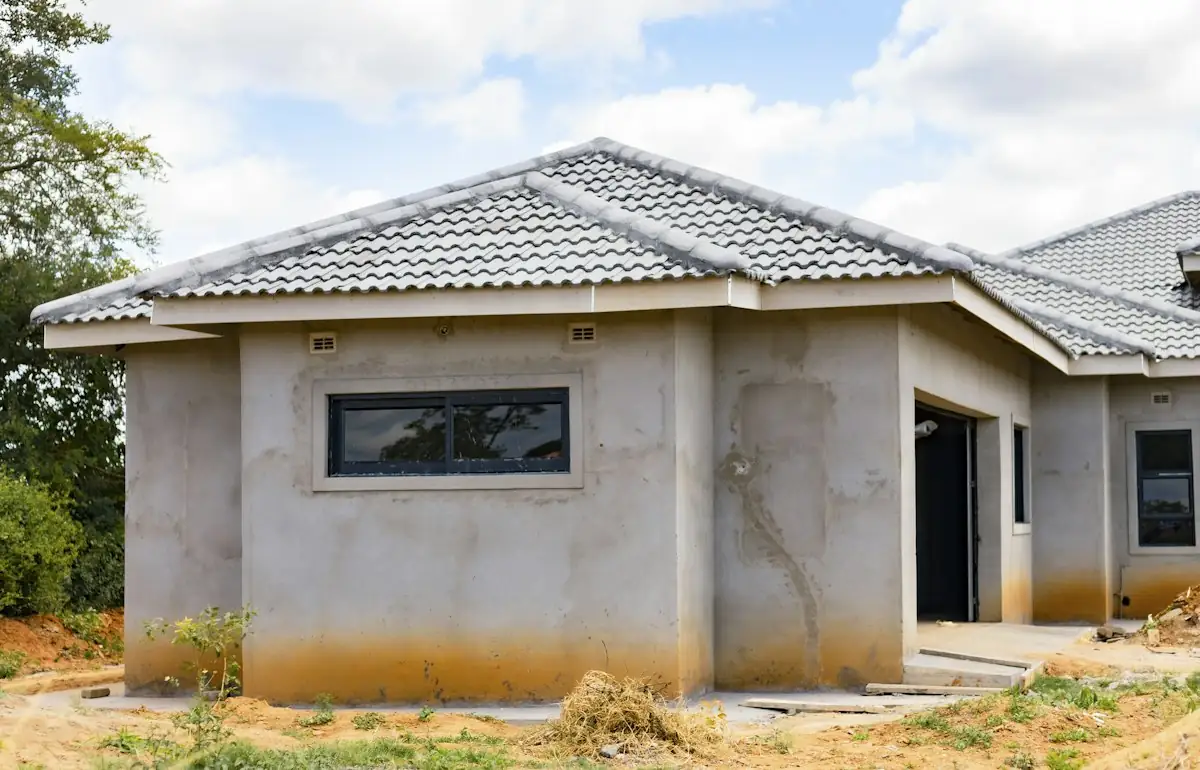
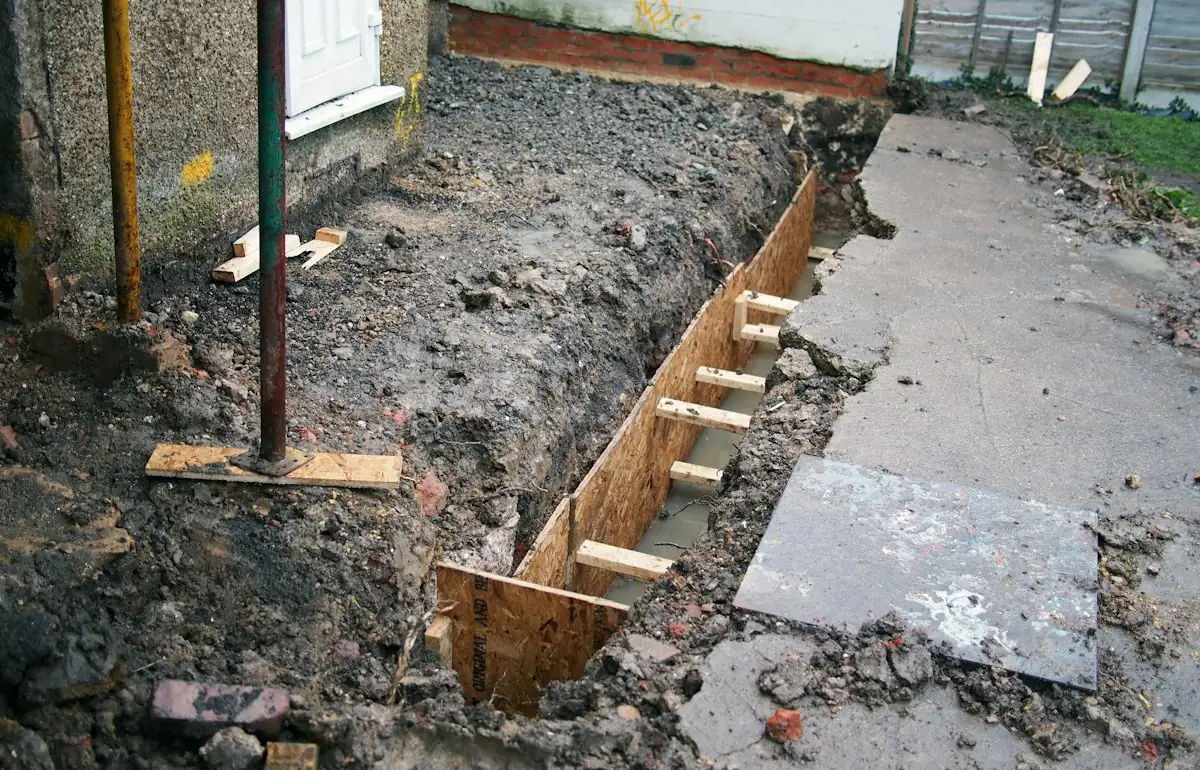
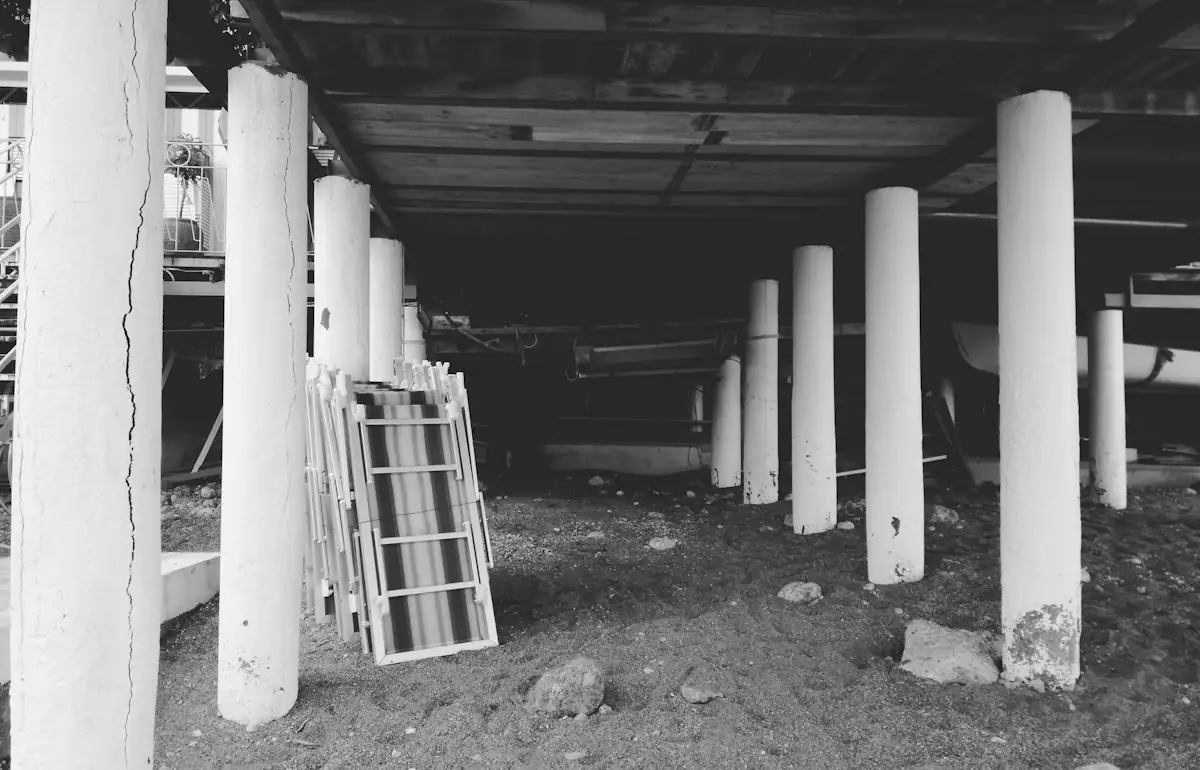
Illustrative stock photography, not ISTA project photos. Photos: Divaris Shirichena, Brett Jordan, Rhamely on Unsplash.
Foundation inspection Centennial homeowners request most often involves diagnosing cracks, settlement, and differential movement in houses built from the 1970s through the 1990s. ISTA Engineers sends Colorado-licensed PEs to evaluate basement walls, crawl spaces, piers, and drainage conditions, then documents findings with photographs and measurements that support a clear, written engineering opinion.
Many Centennial neighborhoods sit on expansive soils typical of the Front Range, which can drive seasonal foundation movement and cracking in both two-story and ranch-style homes. A structured inspection separates cosmetic issues from conditions that warrant repair design, giving owners, buyers, and HOA review committees a reliable technical basis for decisions.
Foundation Inspection Structural Work Across Centennial Neighborhoods
Centennial’s mix of suburban housing stock, expansive soils, and active HOA review creates specific conditions that shape how a foundation inspection is scoped, documented, and reported for owners and design teams.
-
Foundation Types and Common Defects Centennial’s 1970s-1990s housing stock includes poured concrete and block foundations supporting two-story and ranch layouts. Typical defects include stair-step cracking in block walls, horizontal cracking under lateral soil pressure, vertical cracks from settlement, and separation at interior partitions tied to differential movement.
-
Expansive Soils and Drainage Effects Expansive soils common along the Front Range swell and contract with moisture changes, stressing foundation walls and slabs. Poor grading, downspout discharge near the foundation, and freeze-thaw cycles compound movement, making drainage review a routine part of a thorough foundation inspection in this region.
-
Reports for Permits and Lenders Written inspection reports help owners communicate findings to the City of Centennial building department, lenders, or insurers when a foundation condition is part of a transaction or permit discussion. Any required permit scope, fees, or review timelines must be confirmed directly with the City of Centennial building department.
-
Access and Site Constraints Finished basements, landscaping, HOA-maintained common areas, and limited crawl space clearance can affect what an inspector can directly observe. ISTA Engineers plans each visit around these constraints, noting any areas that were inaccessible so the report accurately reflects what was and was not evaluated.
What ISTA Delivers for a Centennial Foundation Inspection
Each foundation inspection combines field observation with engineering analysis, resulting in a documented report that identifies likely causes of distress and outlines reasonable next steps for owners, contractors, or design teams.
- Visual Foundation Survey On-site review of exterior and interior foundation walls, slabs, and visible structural elements to identify cracking, displacement, or signs of moisture intrusion.
- Crack and Movement Documentation Measurement and photographic documentation of crack width, pattern, and location to help distinguish cosmetic shrinkage cracking from structurally significant movement.
- Crawl Space and Pier Review Evaluation of accessible crawl space framing, piers, and beams for signs of settlement, deflection, moisture damage, or deterioration affecting foundation support.
- Drainage and Soil Observations Assessment of site grading, downspout discharge, and visible drainage patterns that may contribute to expansive soil movement around the foundation.
- Written Engineering Report A signed report summarizing observations, probable causes, and whether conditions appear consistent with normal aging or warrant further structural evaluation.
- Repair Recommendation Guidance General recommendations on repair direction, noting that detailed repair design is a separate scope handled once the inspection findings are reviewed.
Types of Foundation Inspection Projects We Handle in Centennial
Cracks, settlement and movement evaluations in Centennial
ISTA Engineers evaluates interior and exterior cracking, slab settlement, and differential movement between foundation sections to determine whether patterns reflect normal seasonal behavior or progressive structural concern. Observations are compared against crack orientation, width, and location to form a defensible engineering opinion documented in a written report.
Pre-purchase foundation inspections in Centennial
Buyers and agents request pre-purchase foundation inspections to understand the condition of a home’s foundation before closing, particularly in Centennial’s older suburban neighborhoods. A Colorado-licensed PE documents visible defects, drainage concerns, and movement indicators, giving buyers objective information to support negotiation or further evaluation decisions.
Basement walls and water-related concerns in Centennial
Basement walls are reviewed for bowing, horizontal cracking, efflorescence, and moisture staining that may point to hydrostatic pressure or expansive soil loading. ISTA Engineers notes water-related concerns such as past seepage or sump pump activity, correlating these observations with structural wall condition in the final report.
Crawl space, pier and beam foundations in Centennial
Homes with crawl space or pier-and-beam foundations are inspected for post settlement, beam deflection, moisture damage, and inadequate bearing conditions. Given limited access in many crawl spaces, the inspector documents accessible areas thoroughly and notes any sections that could not be directly observed during the visit.
The Engineering Process Behind a Centennial Foundation Inspection
ISTA Engineers follows a consistent field-to-report process so owners and design teams receive clear, well-documented findings regardless of the foundation type or home age involved.
- 1
Initial Scope Discussion ISTA Engineers gathers information about the property, reported symptoms, and access conditions to confirm the inspection scope before scheduling the site visit.
- 2
On-Site Field Inspection A Colorado-licensed PE visits the property to observe foundation walls, cracks, crawl spaces, and drainage conditions, recording measurements and photographs throughout.
- 3
Engineering Analysis Field observations are reviewed against known behavior of expansive soils and common foundation types in the region to identify probable causes of distress.
- 4
Written Report Delivery A signed report summarizing findings, probable causes, and recommended next steps is delivered, supporting owner decisions, lender requirements, or further repair design.
Cost and Timeline Factors for Centennial Foundation Inspections
Fees for a foundation inspection depend on the size of the home, the number of foundation types present, accessibility of crawl spaces and basements, and the complexity of observed distress. Homes with multiple additions, finished basements limiting visual access, or extensive crack documentation generally require more field time and reporting detail than a straightforward single-story ranch. Scheduling and report turnaround are scope-dependent, varying with current workload and the extent of follow-up analysis needed. ISTA Engineers provides a scope and fee estimate after reviewing basic property information, allowing owners to understand the engineering commitment before work begins.
To receive an accurate scope, send the property address, approximate age and size of the home, a description of observed cracking or movement, and any photographs available. Noting whether the concern relates to a pending sale, insurance claim, or general maintenance review also helps ISTA Engineers tailor the inspection appropriately.
Why Centennial Owners, Builders and Architects Choose ISTA
- Colorado-licensed engineering judgment guides every inspection, ensuring observations are interpreted through structural principles rather than general home inspection checklists, which matters when foundation decisions carry real cost.
- Familiarity with Front Range soils informs how ISTA Engineers evaluates cracking and movement patterns common to expansive clay conditions found throughout Centennial’s suburban neighborhoods.
- Clear written reports give owners, lenders, insurers, and the City of Centennial building department a documented basis for decisions, rather than verbal impressions alone.
- Separation of inspection and repair design keeps the evaluation objective, since ISTA Engineers is not incentivized to recommend unnecessary repair work during the assessment phase.
Foundation Inspection FAQ for Centennial Homeowners
How long does a foundation inspection in Centennial take?
Timing is scope-dependent and varies with home size, foundation type, and accessibility. A typical single-family inspection involves a site visit followed by report preparation, with exact scheduling confirmed once the scope is set.
Does ISTA Engineers also design the foundation repair?
Not as part of the inspection itself. The foundation inspection is an evaluation and reporting service; repair design, if needed, is a separate scope discussed after the findings are reviewed.
Are expansive soils really a concern in Centennial?
Yes, expansive soils are common along the Front Range and can contribute to seasonal foundation movement. An inspection evaluates whether observed cracking or settlement is consistent with this type of soil behavior.
Will the report satisfy City of Centennial permit requirements?
That depends on the specific project and must be confirmed with the City of Centennial building department. ISTA Engineers provides a detailed written report that owners can submit as supporting documentation when required.
Can a foundation inspection help with a home purchase decision?
Yes, pre-purchase foundation inspections give buyers an objective engineering assessment of visible foundation conditions. The written report can support negotiation or inform whether further evaluation is warranted before closing.
What areas of the foundation are typically inspected?
Inspections cover accessible foundation walls, basements, crawl spaces, piers, and visible drainage conditions. Any areas with limited access, such as finished basements, are noted in the report along with their effect on the evaluation.
Schedule a Foundation Inspection in Centennial
Property owners, builders, and architects in Centennial can request a consultation with ISTA Engineers to scope a foundation inspection and receive a clear, documented engineering assessment. Request a consultation or call (720) 740-4060.
More Foundation Inspection Locations
- Foundation Inspection in Colorado
- Foundation Inspection in Aspen
- Foundation Inspection in Aurora
- Foundation Inspection in Boulder
- Foundation Inspection in Breckenridge
- Foundation Inspection in Broomfield
- Foundation Inspection in Castle Rock
- Foundation Inspection in Fort Collins
- Foundation Inspection in Golden
- Foundation Inspection in Greeley
- Foundation Inspection in Highlands Ranch
- Foundation Inspection in Lakewood
- Foundation Inspection in Littleton
- Foundation Inspection in Thornton
- Foundation Inspection in Vail
- Foundation Inspection in Westminster
- Foundation Inspection in Wheat Ridge
Related guides: