
Colorado-licensed engineers provide detailed structural inspection in Highlands Ranch for buyers, owners, sellers, insurers and contractors needing documented findings.
- Existing home
- Inspection sweep
From site walk to written report in Highlands Ranch
- 01Walk the site and review the reason for the inspection
- 02Inspect the foundation, framing and roof structure
- 03Document signs of movement, moisture and load issues
- 04Written PE report with findings and repair recommendations


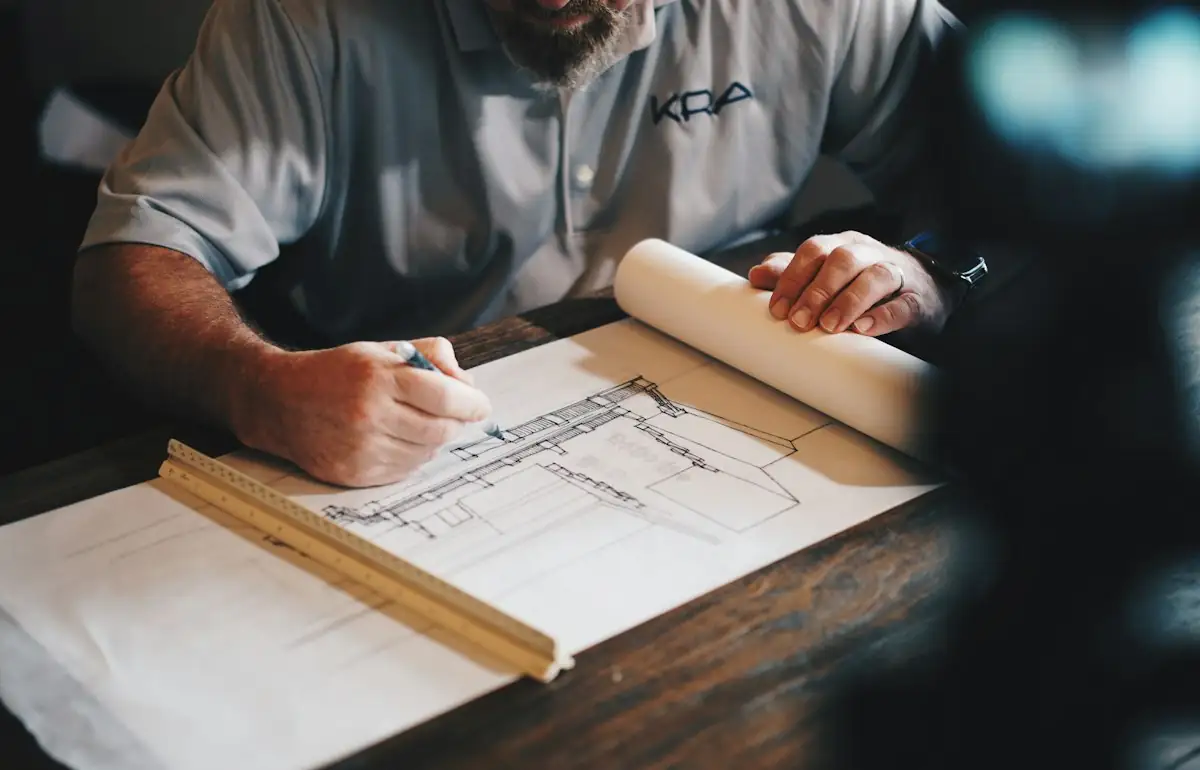
Illustrative stock photography, not ISTA project photos. Photos: Nguyen Phuc Hau, Mick Haupt, Daniel McCullough on Unsplash.
A structural inspection Highlands Ranch homeowners rely on gives an engineer-led look at the condition of a foundation, framing, floors and roof structure before a purchase, repair decision or insurance claim moves forward. Colorado-licensed PEs from ISTA Engineers evaluate visible signs of movement, cracking and distress, then issue a written report summarizing findings and recommended next steps for the property.
Many Highlands Ranch homes date from the 1980s through the 2000s, a period covering several construction standards and foundation types across this master-planned Douglas County community. An engineer’s inspection gives buyers, sellers, lenders and contractors a clear, documented picture of current condition, separate from design or repair work, so decisions rest on direct observation rather than guesswork.
Structural Inspection and Structural Work Patterns in Highlands Ranch
Highlands Ranch presents a consistent but aging housing stock, HOA oversight on exterior changes, and Front Range soil conditions that influence how foundations and framing perform over time, shaping what an inspection should examine closely.
-
Existing Home Condition Patterns Homes built across the 1980s through 2000s in Highlands Ranch show a range of foundation types, framing methods and finish-over-structure conditions. Inspections focus on cracking patterns, door and window misalignment, sloping floors and other signs tied to age, original construction quality and prior repairs.
-
Expansive Soils And Seasonal Movement Expansive soils are common along the Front Range and can shrink or swell with moisture changes, stressing foundations and slabs over time. Inspectors look for crack patterns, heave, and differential movement consistent with soil-related distress rather than isolated settlement.
-
Reports For Permits And Lenders Written findings from an inspection are often shared with the Douglas County building division, mortgage lenders, insurers or HOA architectural review committees as documentation of current condition. Any permit requirements or review procedures must be confirmed directly with Douglas County.
-
Access And Site Constraints Finished basements, mature landscaping, crawlspace access points and HOA-governed exterior conditions can affect how thoroughly a structure can be visually evaluated on a given site. Scheduling and scope account for these access limitations before the inspection is performed.
What ISTA Delivers for a Highlands Ranch Structural Inspection
Each Highlands Ranch structural inspection combines a site visit with engineering analysis, resulting in a documented report that identifies observed conditions, likely causes and recommended next steps for owners, buyers or contractors.
- Foundation Evaluation Visual review of foundation walls, slabs and crawlspaces for cracking, movement, moisture intrusion or settlement indicators affecting the structure.
- Framing And Floor Review Assessment of visible framing members, floor systems and connections for sagging, deflection, deterioration or prior modifications.
- Roof Structure Inspection Observation of accessible roof framing and attic areas for sagging, water staining, undersized members or signs of structural stress.
- Movement And Cracking Analysis Documentation of crack widths, patterns and locations to distinguish cosmetic conditions from active or structurally significant movement.
- Written Engineering Report A clear report summarizing observations, probable causes and repair or monitoring recommendations suitable for buyers, lenders or insurers.
- Repair Recommendation Guidance General direction on repair priorities and next steps, supporting owners who later need design or permitting services.
Types of Structural Inspection Projects We Handle in Highlands Ranch
Pre-purchase and real estate inspections in Highlands Ranch
Buyers and agents commission pre-purchase structural inspections to understand a home’s condition before closing, particularly for Highlands Ranch properties built decades ago. Engineers document foundation, framing and roof conditions so buyers can negotiate repairs, request credits or proceed with realistic expectations about future maintenance needs.
Cracking, settlement and movement assessments in Highlands Ranch
Owners notice cracked drywall, sticking doors, sloping floors or separating trim and request an engineer’s assessment to determine whether movement is cosmetic, slow and stable, or actively progressing. The resulting report distinguishes expansive-soil-related settlement from other causes and outlines recommended monitoring or repair steps.
Storm, water and insurance claim evaluations in Highlands Ranch
After hail, wind, flooding or other storm events, insurers and homeowners request structural evaluations to document damage tied to the claim. Engineers inspect affected framing, roof structure and foundation areas, providing a written report that supports claim review and repair scope discussions with the insurer.
Remodel and renovation condition surveys in Highlands Ranch
Homeowners and contractors planning remodels or additions request a condition survey of existing framing, foundation and floor systems before work begins. This documents baseline structural condition, flags pre-existing issues, and helps renovation plans account for any repairs needed alongside the new construction.
The Structural Inspection Process in Highlands Ranch
ISTA follows a consistent engineering process for every Highlands Ranch structural inspection, moving from initial scoping through site observation to a final written report.
- 1
Initial Scope Discussion The engineer gathers property details, access information and the reason for the inspection, whether a real estate transaction, visible cracking or an insurance claim, to define an appropriate scope.
- 2
On-Site Visual Inspection A Colorado-licensed PE visually examines accessible foundation, framing, floor and roof structure areas, noting cracking, movement, moisture and other relevant conditions throughout the property.
- 3
Engineering Analysis Observations are evaluated against known behavior of expansive soils, typical framing practices and the home’s age to determine likely causes of any distress found.
- 4
Written Report Delivery A written report documents findings with photos, descriptions and recommendations, giving owners, buyers, lenders or insurers a clear record to support their next decision.
Cost and Timeline for Highlands Ranch Structural Inspections
Fees for a Highlands Ranch structural inspection depend on the size and age of the structure, the number of areas requiring access such as crawlspaces, attics or finished basements, and the reason for the inspection. A pre-purchase inspection on a single-family home typically involves a narrower scope than a detailed movement assessment or an insurance claim evaluation requiring extensive documentation. Timelines are scope-dependent, shaped by site access, scheduling and how quickly additional information, such as prior reports or photos, can be provided to the engineer.
To receive an accurate scope, property owners should send the property address, approximate age and size, the reason for the inspection, and any available documentation such as prior inspection reports, photos of cracking or damage, or insurance correspondence. This allows ISTA to tailor the inspection scope to the specific concern.
Why Highlands Ranch Owners, Builders and Architects Choose ISTA
- Colorado-licensed engineering judgment guides every inspection, ensuring findings reflect recognized structural principles rather than general home inspection checklists, which matters for Highlands Ranch’s varied housing stock.
- Familiarity with Front Range soils helps engineers correctly interpret cracking and movement patterns common to expansive soil conditions found throughout Douglas County and the broader region.
- Clear, documented reporting gives buyers, lenders, insurers and the Douglas County building division a readable record of findings suitable for supporting decisions and next steps.
- Independent, inspection-focused scope means assessments are based strictly on observed conditions, giving owners and agents an objective basis for negotiating repairs or planning further work.
Structural Inspection FAQs for Highlands Ranch
When is a structural inspection Highlands Ranch buyers should request before closing?
Buyers should request one whenever a general home inspection flags possible foundation, framing or settlement concerns. An engineer’s evaluation gives a more detailed, documented assessment of structural condition, helping buyers negotiate repairs or proceed with clear expectations before closing on the property.
Does ISTA provide repair design after a Highlands Ranch structural inspection?
The inspection itself is a condition assessment, not a design service. If repairs are warranted, the written report outlines general recommendations, and separate structural design or permitting services can be arranged afterward if the owner chooses to proceed.
Can a structural inspection help with an insurance claim in Highlands Ranch?
Yes, many homeowners request an inspection specifically to document storm, water or other damage for an insurance claim. The written report describes observed conditions and probable causes, giving insurers a clear engineering record to support claim review.
Are expansive soils a concern for Highlands Ranch structural inspections?
Expansive soils are common along the Front Range and can contribute to foundation movement over time. Inspectors specifically look for cracking and movement patterns consistent with soil-related distress when evaluating Highlands Ranch properties.
Does a Highlands Ranch structural inspection involve permits or Douglas County review?
The inspection itself typically does not require a permit since no construction occurs. Any permit requirements tied to subsequent repair work must be confirmed directly with the Douglas County building division.
How does HOA architectural review relate to a structural inspection in Highlands Ranch?
The inspection report does not involve HOA submission directly, but owners planning exterior repairs identified in the report may need separate HOA architectural review. That process should be confirmed with the relevant Highlands Ranch HOA.
Request a Structural Inspection in Highlands Ranch
Property owners, buyers, agents and contractors in Highlands Ranch can request a consultation with ISTA Engineers to scope a structural inspection suited to their property and timeline. Request a consultation or call (720) 740-4060.
More Structural Inspection Locations
- Structural Inspection in Colorado
- Structural Inspection in Aspen
- Structural Inspection in Aurora
- Structural Inspection in Boulder
- Structural Inspection in Breckenridge
- Structural Inspection in Broomfield
- Structural Inspection in Castle Rock
- Structural Inspection in Centennial
- Structural Inspection in Fort Collins
- Structural Inspection in Golden
- Structural Inspection in Greeley
- Structural Inspection in Lakewood
- Structural Inspection in Littleton
- Structural Inspection in Thornton
- Structural Inspection in Vail
- Structural Inspection in Westminster
- Structural Inspection in Wheat Ridge
Related guides: