After two decades of crawling through Colorado basements, reading tilt readings off a zip level, and writing repair specs for homeowners staring at hairline cracks that turned out to be anything but cosmetic, I can tell you that foundation repair cost is rarely what people expect walking into the conversation. Some jobs run $450 for a handful of epoxy crack injections. Others climb past $35,000 when deep piers have to carry a sinking footing down to bedrock or dense bearing strata thirty feet below grade. This article breaks down the real numbers behind foundation repair price ranges in 2026, what drives underpinning cost and pier cost up or down, and how an engineer actually arrives at a repair recommendation rather than a sales estimate.
How Much Does Foundation Repair Cost in 2026?
Most Colorado homeowners pay between $2,500 and $28,000 for foundation repair, with the statewide average landing around $9,500 for a moderate settlement case involving two to four piers or helical piles. Minor crack repair alone can run as low as $400 to $1,800, while full perimeter underpinning on a large home with expansive clay soils can exceed $45,000. These figures reflect labor, materials, permitting, and engineering oversight, but not every contractor bundles all of that into their quoted number.
The spread exists because “foundation repair” covers a wide range of distinct scopes of work. A single stair-step crack in a block wall calls for a different fix than a 1970s split-level home with a footing that has rotated two inches due to bentonitic clay heave along Colorado’s Front Range. Denver metro, Colorado Springs, and the areas north toward Fort Collins all sit on soils with moderate to highly expansive clay content according to Colorado Geological Survey mapping, which means repair costs here often run higher than national averages published by remodeling cost guides.
What Determines the Final Foundation Repair Price?
The final foundation repair price is set by soil conditions, the depth to competent bearing material, the number of support points required, and whether the home needs cosmetic crack sealing or structural underpinning. An engineer’s inspection report, not a contractor’s verbal walkthrough, is what should set that number.
Access also matters more than most homeowners expect. A foundation wall reachable from an open yard costs far less to excavate than one buried under a concrete patio, mature landscaping, or a attached garage slab. I’ve seen identical pier counts produce bids that differ by $6,000 purely because of excavation access and soil disposal logistics on a tight urban lot in Capitol Hill versus a suburban lot in Parker.
What Are the Main Types of Foundation Repair and Their Costs?
Foundation repair breaks into roughly five categories: crack injection, wall stabilization (carbon fiber or steel bracing), slab leveling (mudjacking or polyurethane foam), helical pier or push pier underpinning, and full foundation replacement. Each targets a different failure mode, and pricing varies by an order of magnitude between the cheapest and most invasive options.
Underpinning cost specifically depends on pier type, pier depth, and soil resistance encountered during installation. Helical piers, which are screwed into the ground with hydraulic torque motors, typically cost more per pier than push piers but install faster and generate less vibration near existing structures, which matters on infill lots in older Denver neighborhoods where adjacent foundations sit close by.
Which Pier Cost Figures Should You Expect?
Pier cost generally runs between $1,200 and $3,500 per pier installed, depending on depth, soil type, and access. A typical residential underpinning job uses anywhere from 4 to 12 piers, which is why total underpinning cost so often lands between $8,000 and $30,000.
Push piers (also called resistance piers) are driven hydraulically using the structure’s own weight as resistance, which makes them well suited to heavier homes with masonry or brick veneer. Helical piers work better on lighter structures or additions where there isn’t enough deadweight to drive a push pier to refusal. A qualified engineer sizes pier spacing and depth using load calculations tied to ASCE 7 design loads and local geotechnical data, not a flat per-foot estimate.
- Epoxy or polyurethane crack injection: $400–$1,800 per crack, depending on length and whether it’s load-bearing or non-structural
- Carbon fiber wall reinforcement strips: $350–$900 per strip, typically 3–6 strips per bowing wall
- Steel I-beam wall bracing: $500–$1,200 per beam installed
- Helical or push pier underpinning: $1,200–$3,500 per pier
- Slab mudjacking or polyurethane foam leveling: $500–$1,500 per affected area
- Full foundation replacement: $20,000–$100,000+ depending on home size and access
How Do Soil Conditions and Colorado Climate Affect Foundation Repair Cost?
Colorado’s expansive clay soils and freeze-thaw cycles are the single biggest cost driver behind foundation repair in this state, often pushing underpinning cost 20 to 40 percent above figures quoted in national cost guides written for sandy or loam-dominant regions. Soils with high montmorillonite clay content can exert swell pressures exceeding 10,000 pounds per square foot against a foundation wall when saturated, a figure well documented in Colorado Geological Survey expansive soil bulletins.
That swelling and shrinking cycle is why so many homes along the Front Range show recurring cracking even after a prior repair. A single pier installation that doesn’t account for seasonal moisture migration under the slab can settle again within a few years, which is why I always recommend a root cause evaluation, not just a symptom fix, before signing a repair contract.
Does Frost Depth Change Foundation Repair Pricing?
Yes. Colorado’s frost depth requirements, typically 30 to 36 inches under IBC and local Front Range building codes, mean piers and footings must extend below that line to avoid frost heave, which adds drilling and labor cost compared to warmer climates with shallower frost lines.
In mountain communities above 7,000 feet elevation, frost depth requirements can reach 42 inches or more, and access to those properties during winter months often adds mobilization costs that flatland Denver metro projects don’t carry. A homeowner in Evergreen or Conifer should expect bids to run 10 to 15 percent higher than an equivalent scope in Aurora or Lakewood for this reason alone.
| Repair Type | Typical Cost Range | Best Suited For | Average Lifespan |
|---|---|---|---|
| Crack injection (epoxy/polyurethane) | $400–$1,800 | Non-structural hairline or settlement cracks | 10–20 years |
| Carbon fiber reinforcement | $350–$900 per strip | Bowing basement walls under 2 inches deflection | 20–25 years |
| Steel wall bracing | $500–$1,200 per beam | Moderate to severe wall bowing | 25+ years |
| Helical pier underpinning | $1,200–$3,000 per pier | Lighter structures, additions, new load points | 50+ years |
| Push pier underpinning | $1,500–$3,500 per pier | Heavier masonry or brick-veneer homes | 50+ years |
| Slab leveling (mudjacking/foam) | $500–$1,500 per area | Settled slabs, garage floors, sidewalks | 5–15 years |
How Can You Lower Your Foundation Repair Cost Without Cutting Corners?
The most reliable way to control foundation repair cost is to get an independent structural evaluation before accepting a contractor’s pier count or repair scope, since contractors who both diagnose and sell the repair have a financial incentive to recommend more piers than engineering calculations actually require. A written engineering report with stamped drawings also strengthens any insurance claim or resale disclosure down the line.
Timing matters too. Addressing a bowing wall at 1 inch of deflection with carbon fiber strips costs a fraction of what the same wall costs once it reaches 3 inches and requires full excavation and wall rebuild. I’ve watched homeowners delay a $3,000 stabilization job for two years, only to come back needing a $22,000 wall replacement once the deflection became structurally unacceptable under IRC R404 wall bracing provisions.
What Should Be Included in a Legitimate Foundation Repair Estimate?
A legitimate estimate should include a scope of work tied to a specific diagnosis, pier or repair point locations marked on a plan, warranty terms, permit responsibility, and a drainage or moisture management recommendation, since foundation problems rooted in grading or gutter discharge will recur without addressing the water source.
- Request a written structural inspection report before any repair contract is signed
- Confirm whether the quoted pier cost includes engineering, permitting, and concrete patching
- Ask for the specific pier depth and bearing capacity target, not just a pier count
- Verify the contractor carries a transferable warranty, ideally 10 years or longer on structural piers
- Get a second opinion if the estimate includes more than 10 piers for a typical single-family footprint
Homeowners comparing bids should also understand that drainage corrections, downspout extensions, and grading repairs often cost under $2,000 and can prevent thousands of dollars in repeat settlement. An engineer’s report should distinguish between repairs that stop ongoing movement and improvements that merely manage symptoms, since those are priced and scoped very differently.
My Experience with Foundation Repair Cost
I’ve inspected foundations from Pueblo to Fort Collins, and the pattern I keep running into is a homeowner who received three wildly different bids, ranging from $4,500 to $19,000, for what turned out to be the same crack pattern. In most of those cases, the highest bid came from a company that recommended piers along the entire perimeter when the structural movement was isolated to a single corner where a downspout had been dumping water against the footing for years.
One job in Westminster stands out. A homeowner called after getting a $31,000 quote for 14 helical piers around a walkout basement. My inspection showed the settlement was concentrated at two columns supporting a rear deck addition that had never been engineered to the original foundation’s load path. Four piers at those two points, combined with a carbon fiber application on an adjacent bowing wall, brought the actual repair in under $11,000. That gap between a sales-driven estimate and an engineering-driven scope is the single biggest cost factor I see in this field, more significant than soil type, pier brand, or even access difficulty.
I’ve also seen the opposite mistake: homeowners who choose the cheapest crack-injection fix on a wall that was actively rotating under hydrostatic pressure, only to need full underpinning eighteen months later at triple the original cost. Foundation repair pricing only makes sense in the context of an accurate diagnosis, which is why I push clients toward a Foundation Inspection before they request bids from repair contractors, not after.
When Should You Call a Structural Engineer Instead of a Foundation Repair Contractor?
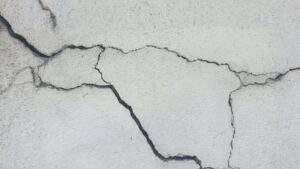
You should call a structural engineer first whenever you see diagonal cracks wider than a quarter inch, horizontal cracking in a basement wall, doors and windows that have started sticking, or any visible bowing or leaning in a foundation wall, since these symptoms often indicate active structural movement rather than normal curing or settling. An engineer’s assessment determines the actual repair scope before cost estimates from contractors can be meaningfully compared.
This sequencing protects homeowners financially. A stamped engineering report costs between $400 and $900 in most Colorado markets, a small fraction of the repair cost it often ends up reducing by catching an overscoped bid. It also gives homeowners a defensible, third-party document to use during insurance claims, real estate negotiations, or disputes with a contractor over change orders mid-project.
What Role Does a Structural Inspection Play in Foundation Repair Pricing?
A structural inspection establishes the actual cause and extent of foundation movement using tools like zip-level elevation surveys, crack monitoring gauges, and soil moisture assessment, which directly determines whether a homeowner needs $800 in crack sealing or $18,000 in underpinning. Skipping this step is the most common reason homeowners overpay.
For homes already under contract during a sale, a foundation inspection before buying a house can shift repair cost negotiations significantly, sometimes by tens of thousands of dollars, when hidden settlement is caught before closing. Similarly, if cracking was flagged during a general home inspection, a focused foundation crack inspection gives a far more actionable cost picture than a generalist’s visual note in a 40-page report.
Commercial property owners face a parallel version of this problem, often at larger scale. A tenant buildout or warehouse slab settlement issue benefits from the same diagnostic rigor, which is why our Commercial Structural Engineering Services team applies the same pier-sizing and load-path analysis used on residential projects, just scaled to industrial floor loads and column grids. For single-family homes, our Residential Structural Engineering Services cover everything from the initial inspection through stamped repair drawings a contractor can bid against directly.
FAQ
What is the average foundation repair cost in Colorado?
The average cost falls between $2,500 and $28,000, with most moderate settlement repairs landing near $9,500. Minor crack injection runs under $2,000, while full underpinning projects with 8 or more piers often exceed $20,000 depending on soil and access conditions.
How much does underpinning cost per pier in 2026?
Underpinning cost typically runs $1,200 to $3,500 per pier, depending on whether helical or push piers are used, the required depth to reach stable bearing soil, and site access. Most homes need between 4 and 12 piers for a moderate settlement repair.
Is foundation crack repair always a sign of a serious structural problem?
No. Many hairline cracks under 1/8 inch are cosmetic and result from normal concrete curing shrinkage, costing as little as $400 to seal. Cracks wider than 1/4 inch, horizontal cracks, or cracks accompanied by wall bowing usually indicate active structural movement requiring engineering evaluation.
Will homeowners insurance cover foundation repair cost?
Standard homeowners insurance policies typically exclude foundation damage caused by soil movement, settling, or poor drainage, since these are considered maintenance issues rather than sudden covered perils. Coverage sometimes applies if damage results from a covered event like a plumbing leak or named storm, but this should be confirmed directly with the insurer and documented with an engineering report.
How long does a typical foundation repair project take?
Crack injection and carbon fiber reinforcement can usually be completed in a single day. Pier underpinning projects involving 6 to 10 piers generally take 2 to 4 days, while full foundation replacement on a larger home can take 2 to 6 weeks including excavation, forming, and curing time.
Sources
United States Geological Survey
International Code Council
Explore Foundation Inspection by City
- Foundation Inspection
- Foundation Inspection in Aspen
- Foundation inspection in Thornton
- Foundation inspection in Westminster
- Foundation inspection in Boulder
- Foundation inspection in Lakewood
- Foundation inspection in Broomfield
- Foundation Inspection in Aurora: Protecting Your Home’s Structural Integrity
- Foundation Inspection in Golden