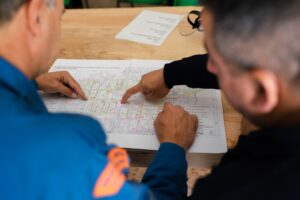
In this article, you will discover the importance of post-tension slab inspection and how it can help identify potential structural issues in your building. As a licensed structural engineer with years of hands-on field experience inspecting, evaluating, and designing structural systems, I can attest to the critical role that post-tension slab inspection plays in ensuring the safety and integrity of buildings. The primary keyword “post tension slab inspection” is a crucial aspect of maintaining the structural health of buildings, particularly those with post-tensioned slabs. Post-tension slab inspection is a specialized service that involves the examination of post-tensioned slab foundations to identify any signs of damage, deterioration, or distress.
What is Post-Tension Slab Inspection?
Post-tension slab inspection is a detailed examination of the post-tensioned slab foundation to identify any signs of damage, deterioration, or distress. This type of inspection is typically performed by a licensed structural engineer who has experience in inspecting and evaluating post-tensioned slabs. During the inspection, the engineer will examine the slab for any signs of cracks, spalling, or other types of damage. They will also check the tendon anchors, concrete cover, and other critical components of the post-tensioned slab system.
How Does Post-Tension Slab Inspection Work?
The post-tension slab inspection process typically involves a visual examination of the slab, as well as the use of specialized equipment such as drill rigs, core drills, and hammer drills. The engineer will also review the building’s design and construction documents to understand the original design intent and to identify any potential issues. In some cases, the engineer may also perform non-destructive testing (NDT) such as acoustic emission testing or impact echo testing to further evaluate the slab’s condition.
Some common signs of distress in post-tensioned slabs include: Learn more about Cracked Brick Walls: Cosmetic or Structural?.
- Cracks in the slab or beams
- Spalling or delamination of the concrete cover
- Corrosion of the tendon anchors or other metal components
- Water intrusion or leaks in the slab
- Settling or movement of the slab or foundation
Why is Post-Tension Slab Inspection Important?
Post-tension slab inspection is important because it helps identify potential structural issues in the building before they become major problems. Post-tensioned slabs are designed to be durable and long-lasting, but they can still be susceptible to damage or deterioration over time. If left unchecked, these issues can lead to safety hazards, costly repairs, and even structural failure.
What Are the Benefits of Post-Tension Slab Inspection?
Some benefits of post-tension slab inspection include:
Early detection of potential issues, which can help prevent costly repairs down the line
Identification of safety hazards, such as cracks or spalling, which can help prevent accidents
Extension of the lifespan of the post-tensioned slab, which can help reduce maintenance and repair costs over time
Improved knowledge of the building’s structural condition, which can help inform maintenance and repair decisions
Compliance with local building codes and regulations, which can help avoid fines or penalties
| Inspection Type | Frequency | Cost |
|---|---|---|
| Visual Inspection | Every 5 years | $2,000 – $5,000 |
| Non-Destructive Testing (NDT) | Every 10 years | $5,000 – $10,000 |
| Destructive Testing | As needed | $10,000 – $20,000 |
My Experience with Post-Tension Slab Inspection
As a licensed structural engineer with years of hands-on field experience inspecting, evaluating, and designing structural systems, I have seen firsthand the importance of post-tension slab inspection. In my experience, post-tension slab inspection is a critical component of maintaining the structural health of buildings, particularly those with post-tensioned slabs. I have worked on numerous projects involving post-tensioned slabs, and I can attest to the fact that regular inspection and maintenance are essential to preventing costly repairs and ensuring the safety of building occupants.
What to Expect During a Post-Tension Slab Inspection
During a post-tension slab inspection, you can expect the engineer to perform a thorough examination of the slab and its components. This may include a visual inspection, as well as the use of specialized equipment such as drill rigs, core drills, and hammer drills. The engineer will also review the building’s design and construction documents to understand the original design intent and to identify any potential issues. In some cases, the engineer may also perform non-destructive testing (NDT) such as acoustic emission testing or impact echo testing to further evaluate the slab’s condition.
For more information on post-tension slab inspection, you can visit the Structural Inspection page on our website or contact us to schedule a consultation. Additionally, you can also learn more about Foundation Inspection and how it relates to post-tension slab inspection.
FAQ
What is the cost of a post-tension slab inspection?
The cost of a post-tension slab inspection can vary depending on the size and complexity of the project, as well as the location and accessibility of the slab. On average, the cost of a post-tension slab inspection can range from $2,000 to $10,000 or more, depending on the type and frequency of the inspection.
How often should I have my post-tensioned slab inspected?
The frequency of post-tension slab inspection depends on various factors, including the age and condition of the slab, as well as the local building codes and regulations. Typically, a post-tensioned slab should be inspected every 5 to 10 years, or as recommended by the manufacturer or the local building authority.
What are the signs of distress in a post-tensioned slab?
Some common signs of distress in a post-tensioned slab include cracks, spalling, or delamination of the concrete cover, as well as corrosion of the tendon anchors or other metal components. Other signs of distress may include water intrusion or leaks, settling or movement of the slab or foundation, and unusual noises or vibrations.
Can I perform a post-tension slab inspection myself?
While it is possible to perform a visual inspection of the slab yourself, it is not recommended to attempt a comprehensive post-tension slab inspection without the proper training and expertise. Post-tension slab inspection requires specialized knowledge and equipment, and should only be performed by a licensed structural engineer or a qualified inspection professional.
Sources:
International Code Council (ICC)
American Society of Civil Engineers (ASCE)