Signs of Structural Problems: A Homeowner’s Guide to Identifying Serious Issues is crucial for maintaining the safety and value of your property. As a licensed structural engineer with over 15 years of experience evaluating homes across Denver, I’ve seen how small, overlooked signs of structural problems can evolve into major safety concerns and costly repairs. Many homeowners dismiss early warning signs as normal “settling,” but understanding the difference between cosmetic issues and serious structural damage symptoms could save you tens of thousands of dollars and ensure your family’s safety.
Your home is more than just a living space—it’s a complex structural system where foundation, walls, floors, and roof work together to provide shelter and security. When one component fails, it can compromise the entire structure. This comprehensive guide will help you recognize the structural issues indicators that demand professional attention, potentially saving you from catastrophic failure and preserving your property’s value. A Structural Inspection can provide valuable insights into the condition of your home’s structural system.
What Are Structural Problems and Why Should You Care?
Structural problems refer to issues that affect the integrity of your home’s load-bearing components—the foundation, walls, beams, and columns that keep your home standing. Unlike cosmetic flaws, these problems can compromise your home’s safety and lead to expensive repairs if left unaddressed. In Denver’s unique environment, where soil conditions and weather patterns create specific challenges, understanding signs of structural problems becomes even more critical. The clay-rich soil common throughout our region expands and contracts with moisture changes, putting constant pressure on foundations. This makes regular monitoring and early detection essential for Colorado homeowners.
A Foundation Inspection is a crucial step in identifying potential structural problems. By evaluating the condition of your home’s foundation, you can identify signs of damage or weakness, and take corrective action to prevent further damage.
The Most Common Signs of Structural Damage
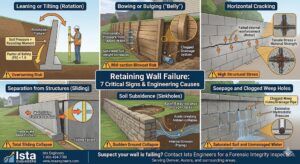
The most common signs of structural damage include cracks in walls and foundations, doors and windows that stick or won’t close properly, uneven or sloping floors, gaps between walls, ceilings, and floors, and sagging or uneven roof lines. These signs can indicate a range of problems, from minor settlement to major structural issues. For example, stair-step cracks in brick or masonry walls can indicate foundation movement, while horizontal cracks in foundation walls can suggest soil pressure.
According to the International Building Code (IBC), Section 1805.2.2, foundations must be designed to resist soil pressure and settlement. A structural engineer can help you evaluate the condition of your home’s foundation and identify any potential issues. You can learn more about the IBC requirements for foundation design in our article on Bowing Basement Walls: Causes, Risk, and Repair Options.
1. Cracks in Walls and Foundations
Not all cracks indicate serious issues, but understanding their patterns and locations helps identify potential structural damage symptoms. Hairline cracks (less than 1/8 inch wide) in drywall are typically normal settling, especially in newer homes. However, you should be concerned about stair-step cracks in brick or masonry walls, horizontal cracks in foundation walls (often indicating soil pressure), vertical cracks that widen at top or bottom, cracks wider than 1/4 inch anywhere in the structure, and cracks that reappear after repair.
2. Doors and Windows That Stick or Won’t Close Properly
When doors and windows sticking becomes a structural problem rather than a humidity issue, it may indicate frame distortion caused by foundation movement or structural shifting. This often requires professional assessment through a Residential Structural Engineering Service in Denver.
My Experience with Signs of Structural Problems: A Homeowner’s Guide to Identifying Serious Issues
As a licensed structural engineer with years of hands-on field experience inspecting, evaluating, and designing structural systems, I have seen firsthand the importance of early detection and prevention. In my experience, many homeowners are unaware of the potential risks associated with structural problems, and often dismiss early warning signs as normal settling. However, I have also seen the devastating consequences of ignoring these signs, and the importance of taking proactive measures to ensure the safety and integrity of your home.
For example, I once inspected a home in Denver that had been experiencing persistent foundation cracks and settlement. The homeowner had been monitoring the cracks for months, but had not taken any corrective action. Upon further inspection, I discovered that the cracks were caused by soil pressure and settlement, and recommended a series of repairs to stabilize the foundation and prevent further damage. The homeowner took my recommendations, and was able to prevent a much more costly and extensive repair down the line.
Less Obvious Signs of Structural Issues
Less obvious signs of structural issues include moisture intrusion and water damage, bouncing or sagging floors, and chimney tilting or separation. These signs can indicate a range of problems, from minor leaks to major structural issues. For example, basement wall leaks can suggest foundation cracks, while rotting wood in structural members can indicate moisture damage.
According to the American Society of Civil Engineers (ASCE), moisture intrusion is a common cause of structural damage in homes. In fact, the ASCE estimates that moisture intrusion costs homeowners billions of dollars each year in repairs and maintenance. You can learn more about the causes and consequences of moisture intrusion in our article on Understanding Floor Sagging Structural Issues: Causes and Solutions.
When to Worry: Red Flags That Demand Immediate Attention
Some signs of structural problems require immediate professional intervention, including rapidly worsening cracks, horizontal foundation cracks, doors/windows that no longer latch due to frame distortion, visible foundation movement, and significant water intrusion. If you observe any of these red flags, contact a structural engineer immediately. Early intervention can prevent more extensive damage and ensure your family’s safety.
Repair Options for Structural Problems
The appropriate repair depends on the specific issue, its cause, and severity. Foundation repair options include underpinning with piers or pilings, wall anchors or braces for bowing walls, grouting or sealing of cracks, and drainage correction to manage water flow. Framing repairs may involve sistering or reinforcing damaged joists, adding support beams or columns, and replacing rotted or damaged structural members.
A comprehensive solution may require a full structural design process, including evaluation of the home’s foundation, walls, and roof. This can help identify potential issues and provide a clear plan for repair and maintenance. You can learn more about the structural design process in our article on Structural Design Process for Residential Buildings.
Conclusion: Don’t Ignore the Warning Signs
Recognizing signs of structural problems early is crucial for maintaining your home’s safety and value. While not every crack or sticking door indicates imminent disaster, understanding which symptoms demand professional attention can save you from costly repairs and ensure your family’s safety.
At ISTA Engineers, we’ve helped hundreds of Denver homeowners navigate structural concerns with confidence. Our comprehensive assessments provide clear explanations of any issues, prioritized repair recommendations, and peace of mind knowing your home has been evaluated by experienced professionals.
Sources
For more information on structural engineering and building codes, please visit the following sources: