As a home buyer, one of the most critical steps in the home buying process is conducting a structural inspection before buying a house. A structural inspection before buying a house is a thorough examination of the home’s foundation, walls, roof, and other structural elements to identify any potential issues or defects. This process is crucial in ensuring that the home is safe and secure for occupancy, and it can also help home buyers avoid costly repairs down the line. In this article, we will explore the importance of structural inspection before buying a house, the benefits of conducting a pre-purchase inspection, and what to expect during the inspection process.
What is a Structural Inspection Before Buying a House?
A structural inspection before buying a house is a detailed evaluation of the home’s structural systems, including the foundation, walls, roof, and floors. The inspection is typically conducted by a licensed structural engineer or a qualified home inspector who has experience in evaluating the structural integrity of buildings. The goal of the inspection is to identify any potential issues or defects that could affect the safety and value of the home.
What Does a Structural Inspection Before Buying a House Entail?
A structural inspection before buying a house typically involves a thorough examination of the home’s structural elements, including the foundation, walls, roof, and floors. The inspector will look for signs of damage, wear, and tear, as well as any potential issues that could affect the home’s structural integrity. Some of the specific things that the inspector will look for include cracks in the foundation, signs of water damage, and any evidence of termite or pest infestation.
A structural inspection before buying a house can be conducted in conjunction with other types of inspections, such as a foundation inspection or a structural inspection. These inspections can provide a more comprehensive understanding of the home’s condition and can help home buyers make informed decisions about their purchase.
Why is a Structural Inspection Before Buying a House Important?
A structural inspection before buying a house is important for several reasons. First, it can help home buyers avoid costly repairs down the line. By identifying potential issues or defects early on, home buyers can negotiate with the seller to have the problems fixed or to reduce the purchase price of the home. Second, a structural inspection can provide peace of mind for home buyers. By knowing that the home has been thoroughly evaluated and is structurally sound, home buyers can feel confident in their purchase.
What are the Benefits of Conducting a Pre-Purchase Inspection?
The benefits of conducting a pre-purchase inspection include avoiding costly repairs, negotiating a better purchase price, and gaining peace of mind. Additionally, a pre-purchase inspection can help home buyers identify potential issues that may not be immediately apparent, such as signs of water damage or termite infestation. By identifying these issues early on, home buyers can take steps to address them and ensure that the home remains safe and secure for years to come.
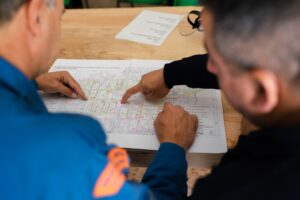
As outlined in the Understanding the Structural Engineer Report: A Comprehensive Guide, a structural inspection report can provide valuable insights into the home’s condition and can help home buyers make informed decisions about their purchase. By reviewing the report carefully and asking questions, home buyers can gain a better understanding of the home’s structural systems and can identify any potential issues that may need to be addressed.
How Does a Structural Inspection Before Buying a House Work?
A structural inspection before buying a house typically involves a site visit by a licensed structural engineer or a qualified home inspector. The inspector will conduct a thorough examination of the home’s structural elements, including the foundation, walls, roof, and floors. The inspection may involve the use of specialized equipment, such as a drone or a thermal imaging camera, to gather more detailed information about the home’s condition.
What to Expect During a Structural Inspection Before Buying a House
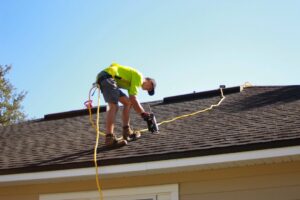
During a structural inspection, the inspector will typically conduct a thorough examination of the home’s structural elements. This may involve crawling through attics and crawl spaces, climbing ladders to access rooftops, and inspecting the home’s foundation and walls. The inspector may also use specialized equipment, such as a level or a plumb bob, to evaluate the home’s structural integrity.
The following table provides a summary of the typical steps involved in a structural inspection before buying a house:
| Step | Description |
|---|---|
| 1 | Site visit by a licensed structural engineer or a qualified home inspector |
| 2 | Thorough examination of the home’s structural elements, including the foundation, walls, roof, and floors |
| 3 | Use of specialized equipment, such as a drone or a thermal imaging camera, to gather more detailed information about the home’s condition |
| 4 | Identification of potential issues or defects, including signs of water damage, termite infestation, or structural damage |
My Experience with Structural Inspection Before Buying a House
As a licensed structural engineer with years of hands-on field experience inspecting, evaluating, and designing structural systems, I have seen firsthand the importance of conducting a structural inspection before buying a house. I have worked with numerous home buyers to conduct pre-purchase inspections and have helped them identify potential issues that may not have been immediately apparent. By conducting a thorough examination of the home’s structural elements, I have been able to provide home buyers with a comprehensive understanding of the home’s condition and have helped them make informed decisions about their purchase.
Real-World Examples of Structural Inspection Before Buying a House
I recall one instance where I conducted a structural inspection for a home buyer in Colorado. The home was a beautiful, older property with a stunning view of the mountains. However, during the inspection, I identified significant signs of termite infestation and water damage. The home buyer was able to negotiate with the seller to have the issues fixed, and the sale of the home was able to proceed smoothly. This experience highlights the importance of conducting a structural inspection before buying a house and the potential benefits that it can provide for home buyers.
In another instance, I worked with a home buyer who was considering purchasing a new construction home. The home buyer was concerned about the potential for structural issues, given the home’s complex design and the fact that it was built on a slope. I conducted a thorough examination of the home’s structural elements and identified several potential issues, including inadequate foundation support and insufficient bracing. The home buyer was able to use this information to negotiate with the builder and have the issues fixed, ensuring that the home was safe and secure for occupancy.
FAQ
What is the cost of a structural inspection before buying a house?
The cost of a structural inspection before buying a house can vary depending on the size and complexity of the home, as well as the location and the inspector’s qualifications. On average, the cost of a structural inspection can range from $500 to $2,000 or more.
How long does a structural inspection before buying a house take?
The length of time it takes to conduct a structural inspection before buying a house can vary depending on the size and complexity of the home, as well as the inspector’s qualifications and the level of detail required. On average, a structural inspection can take anywhere from 2 to 6 hours or more to complete.
What should I look for in a structural inspection report?
A structural inspection report should provide a comprehensive overview of the home’s condition, including any potential issues or defects that were identified during the inspection. The report should also provide recommendations for repairs or further evaluation, as well as any necessary maintenance or upkeep.
Can I conduct my own structural inspection before buying a house?
While it is possible to conduct your own structural inspection before buying a house, it is generally not recommended. A licensed structural engineer or a qualified home inspector has the training and experience necessary to conduct a thorough and accurate inspection, and can identify potential issues that may not be immediately apparent to an untrained eye.
Sources:
International Code Council
American Society of Civil Engineers